
Golden Years Gourmet: Best Kibble for Senior Dogs
Your Dog Is Getting Older — Here’s What to Feed Them
The best kibble for senior dogs isn’t one-size-fits-all — but here are the top options to consider in April 2026:
| Kibble | Best For | Key Feature |
|---|---|---|
| Purina Pro Plan AdvantEDGE Senior Support+ | Overall senior health | Cognition, immunity, mobility support; 350 kcal/cup |
| ORIJEN Senior | High-protein diets | 85% quality poultry and fish; ancestral nutrition model |
| Hill’s Science Diet Adult 7+ Senior Vitality | Small & mini breeds | Brain function, energy, omega-enriched coat support |
| Dr. Tim’s Kinesis Senior | Active senior dogs | 28% protein, 82% animal-sourced, corn/wheat/soy-free |
| Unrivaled Senior Health | Weight management | 26% protein, 12% fat, fish meal + ancient grains |
| Wellness Complete Health Senior | Sensitive stomachs | Natural whole-food ingredients, balanced nutrition |
As dogs get older, their bodies change — a lot. Their metabolism slows, muscle mass decreases naturally, and common issues like joint pain, weight gain, and digestive trouble start showing up more often.
Here’s something many owners don’t realize: senior dogs often need more high-quality protein, not less — despite what older advice suggested. Their bodies become less efficient at synthesizing protein, so the quality and quantity of what’s in the bowl actually matters more as they age.
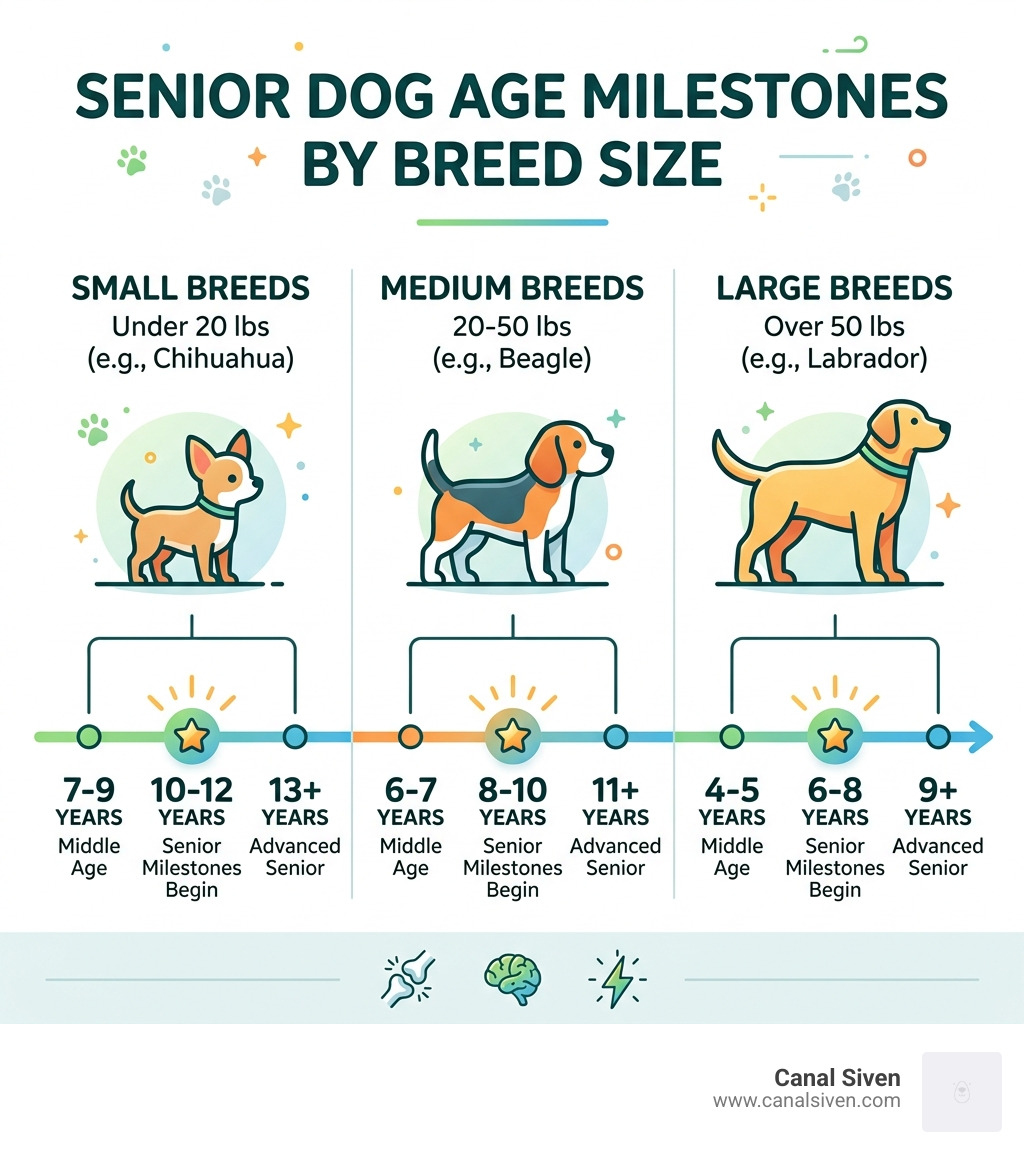
When a dog becomes “senior” also varies by size:
- Small breeds (under 20 lbs): around 10–12 years
- Medium breeds: around 8–10 years
- Large breeds: around 6–8 years
So a 7-year-old Great Dane is already a senior, while a 7-year-old Chihuahua is still firmly in middle age.
Choosing the right kibble can feel overwhelming — marketing claims are everywhere, and the information is often conflicting. This guide cuts through the noise.
Nutritional Requirements for Aging Canines
In our work at Canal Siven, we approach pet nutrition with the same precision we apply to financial planning: it’s about maximizing long-term value and health. For a senior dog, that “value” is found in bioavailable nutrients that support aging organs without overloading the system.
As dogs age, their internal machinery starts to wear down. The kidneys might not filter as efficiently, the heart might need a little extra help, and the digestive tract can become a bit more sensitive. This is why we look for an optimal balance of nutrients.
One of the most persistent myths in the dog world is that senior dogs need low-protein diets to “save” their kidneys. Unless your dog has been diagnosed with specific late-stage kidney disease by a vet, this is actually counterproductive. Aging dogs are prone to sarcopenia—the natural loss of muscle mass. To combat this, they require high-quality, easily digestible protein. When we look at the best kibble for senior dogs, we prioritize recipes that maintain lean body mass.
Lean body mass is a major predictor of longevity. Dogs with more muscle mass generally have stronger immune systems and better metabolic health. Therefore, we look for a protein-to-fat ratio that supports a lean physique. For example, a ratio like 26% protein to 12% fat (found in Unrivaled Senior Health) or even higher protein levels like 28% (found in Kinesis Senior) can be ideal depending on your dog’s activity level.
Key Ingredients in the Best Kibble for Senior Dogs
When scanning a label in 2026, there are “must-have” ingredients that act as the building blocks for senior vitality. We aren’t just looking for “chicken” or “beef”; we are looking for functional additives that address the wear and tear of a decade of fetch.
- Joint Support (Glucosamine & Chondroitin): These are non-negotiable. Glucosamine helps support cartilage production, while chondroitin helps reduce inflammation and inhibits enzymes that break down joint tissue.
- Omega-3 Fatty Acids (EPA & DHA): Usually sourced from fish oil or marine algae, these are the heavy lifters for brain health and anti-inflammatory support. They keep the coat shiny, sure, but they also keep the joints moving smoothly.
- Antioxidants (Vitamin E & C): Aging creates “oxidative stress” in the body. Antioxidants neutralize free radicals, supporting the immune system and potentially slowing cognitive decline.
- Probiotics and Fiber: Senior dogs can struggle with constipation or irregular stools. Ingredients like rice bran or added live probiotics (found in Purina Pro Plan AdvantEDGE) ensure the gut microbiome stays balanced.
- L-Carnitine: This amino acid helps the body turn fat into energy. It’s a “weight management” superstar because it helps your dog stay lean even if their daily walk has turned into a slow sniff-fest around the block.
- Medium Chain Triglycerides (MCTs): Often sourced from coconut oil, MCTs provide an alternative energy source for the brain. This is a key component in “Bright Mind” formulas designed to keep senior dogs sharp and interactive.
How to Choose the Best Kibble for Senior Dogs

Choosing the best kibble for senior dogs requires you to become a bit of a detective. At Canal Siven, we recommend looking past the pretty pictures of wolves on the bag and heading straight for the “Guaranteed Analysis” and the ingredient list.
The first rule of thumb: AAFCO Approval. The Association of American Feed Control Officials sets the standards for “complete and balanced” nutrition. If a food doesn’t meet these standards, it’s not a meal—it’s a snack. Furthermore, look for brands that conduct actual feeding trials. A feeding trial means real dogs ate the food in a controlled setting to ensure it actually delivers the nutrients it claims to.
The first ingredient should always be a high-quality, real protein source like deboned chicken, salmon, or lamb. Avoid foods where the first ingredient is a “by-product meal” or a generic “meat meal.” While some meals are high in protein, we prefer known sources like Menhaden Fish Meal (used in Unrivaled) or fresh poultry.
Fillers are another area of concern. While grains like brown rice, millet, and sorghum (ancient grains) are excellent sources of fiber and energy, we generally suggest avoiding excessive corn, wheat, or soy if your dog has a sensitive stomach. In 2026, many of the top-tier senior formulas have moved toward these “ancient grains” because they are more digestible and have a lower glycemic index, helping to prevent blood sugar spikes.
Monitoring Results from the Best Kibble for Senior Dogs
Once you’ve made the switch, your work isn’t done. You need to monitor your “investment.” We suggest checking four key areas every two weeks:
- Energy Levels: Is your dog more “present”? Are they initiating play or following you from room to room more often?
- Coat and Skin: A healthy senior dog should not have brittle hair or flaky skin. A “luxurious” coat is a sign that the Omega fatty acids are doing their job.
- Stool Quality: You want firm, consistent stools. If the food is too rich or has too many fillers, you’ll see the results (literally) in the yard.
- Muscle Mass Assessment: This is a trick we learned from veterinary experts. Don’t just look at their weight on a scale—feel their body. Gently squeeze the muscles in their thighs and over their shoulders. If you feel mostly bone and very little “meat,” your dog may be losing lean body mass, even if they look “chunky” around the middle.
Managing Health Conditions Through Diet
Nutrition isn’t just about fueling the body; it’s about managing the “maintenance” issues that come with age. At Canal Siven, we view food as a proactive tool for health management.
| Condition | Nutritional Focus | Why It Matters |
|---|---|---|
| Obesity | Low calorie, High fiber, L-Carnitine | Extra weight puts massive strain on aging hearts and joints. |
| Arthritis | High Omega-3 (EPA/DHA), Glucosamine | Reduces inflammation in the joint capsule to improve mobility. |
| Kidney Health | Controlled Phosphorus, High-quality protein | Lower phosphorus reduces the workload on the kidneys. |
| Cognitive Decline | MCTs (Coconut oil), Antioxidants | Provides the brain with better “fuel” to fight “doggy dementia.” |
Arthritis and Joint Pain: This is the most common senior complaint. Beyond just looking for glucosamine on the label, you might need to supplement. A common vet-recommended dosage for arthritis is 1-2 fish oil capsules (1000mg, usually containing 300mg EPA/DHA) per 10 pounds of body weight. This high level of Omega-3s can significantly reduce the need for anti-inflammatory medications.
Obesity Prevention: An overweight senior dog is a dog in pain. If your dog is less active, you must adjust their caloric intake. Some kibbles, like Kinesis Senior – Dr. Tim’s – Dr. Tim’s Pet Food Company LLC , are metabolically balanced to provide high nutrition with controlled calories (3563 kcal/kg).
Kidney and Heart Health: For dogs with early-stage kidney concerns, managing phosphorus is key. For heart health, ensure the food contains Taurine, an amino acid essential for cardiac function.

Cognitive Health and Mental Sharpness
Have you noticed your dog “staring at the wall” or getting stuck in corners? Canine Cognitive Dysfunction (CCD) is real. However, the best kibble for senior dogs in 2026 often includes “neuro-protective” ingredients.
Purina Pro Plan’s “Bright Mind” technology, for instance, uses botanical oils (MCTs) that provide an alternative energy source for the brain. As dogs age, their brains become less efficient at using glucose. MCTs step in to fill that gap, often resulting in visible improvements in interaction and “mental sharpness” within 30 days. We also look for essential amino acids and B-vitamins that support neurotransmitter function.
Transitioning and Feeding Best Practices
You’ve found the perfect bag of kibble. Don’t just dump it in the bowl! A senior dog’s digestive system is like a vintage car—it doesn’t handle sudden changes well.
We recommend the 7-10 Day Rule:
- Days 1-3: 25% new food, 75% old food.
- Days 4-6: 50% new food, 50% old food.
- Days 7-9: 75% new food, 25% old food.
- Day 10: 100% new food.
During this time, monitor for any signs of digestive upset like vomiting or diarrhea. If you see issues, slow the transition down.
Hydration is equally critical. Senior dogs are more prone to dehydration, which can tax the kidneys. Always provide fresh, clean water. If your dog is a “lazy drinker,” consider adding a splash of low-sodium bone broth to their kibble or mixing in a bit of wet food to increase moisture intake.
Meal Frequency: Instead of one large meal, we suggest feeding two smaller meals per day. This helps maintain steady energy levels and is easier on the digestive tract.
Portion Control and Caloric Needs
How much should you feed? The bag gives you a “ballpark,” but it isn’t the law. A 50lb dog who still hikes three miles a day needs significantly more calories than a 50lb dog who only moves from the couch to the sun spot on the rug.
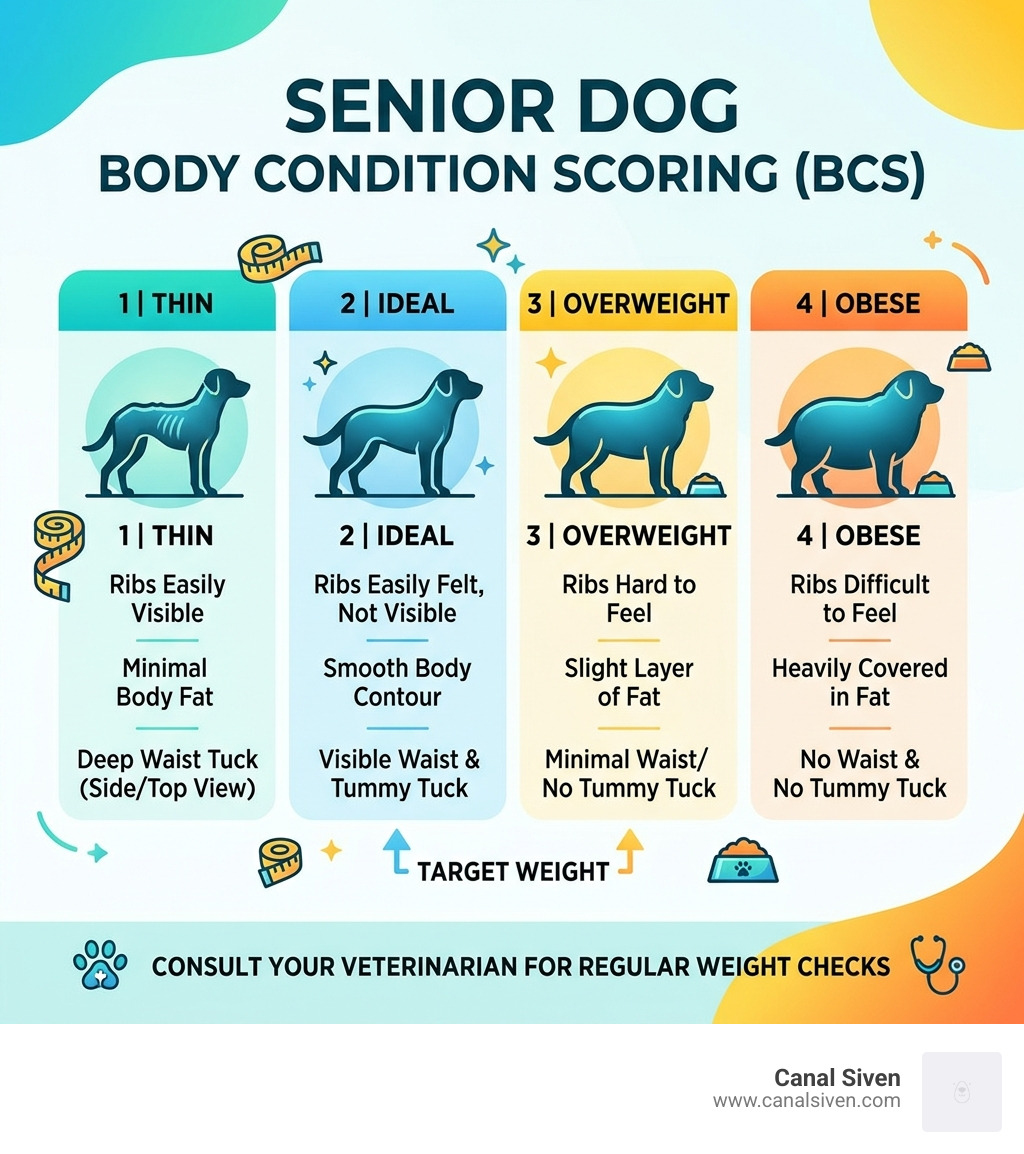
For example, a 50lb dog eating Dr. Tim’s Kinesis Senior might need about 2 3/4 cups per day, but you should adjust this based on their “Body Condition Score.” You should be able to feel their ribs easily without a thick layer of fat, and they should have a visible “waist” when viewed from above.
At Canal Siven, we believe in “metabolic balance.” If your dog is gaining weight, don’t just cut their food in half—you might be cutting out essential vitamins too. Instead, switch to a lower-calorie senior formula that maintains high nutrient density, like the Unrivaled Senior Health (3421 kcal/kg).
Frequently Asked Questions about Senior Dog Food
When should I switch my dog to a senior-specific diet?
Most vets recommend starting the conversation around age 7, but it depends on the dog. If your dog is still highly active, maintaining a perfect weight, and has no joint issues, they might stay on “adult” food longer. However, if you see signs of slowing down, weight gain, or a dulling coat, it’s time to look for the best kibble for senior dogs.
Is dry kibble better than wet food for older dogs?
Dry kibble is generally better for dental health as the “crunch” helps scrape away some plaque (though it’s no substitute for brushing!). However, wet food is often more palatable for dogs with a diminishing sense of smell and provides much-needed hydration. Many owners find a “best of both worlds” approach works well: kibble as the base, with a high-quality “human-grade” topper to entice picky eaters.
Do senior dogs really need less protein as they age?
No! This is a common mistake. Unless your dog has advanced kidney disease, they actually need high-quality protein to prevent muscle loss. Look for animal-sourced proteins (like the 82% animal-sourced protein in Dr. Tim’s) to ensure they are getting the essential amino acids they need to stay strong.
Conclusion
Navigating the “Golden Years” with your dog is a privilege, and providing the right nutrition is the best way to ensure those years are full of tail wags rather than aches and pains. Whether you choose a high-protein ancestral diet like ORIJEN or a scientifically targeted formula like Purina Pro Plan, the goal is the same: tailored nutrition for a healthier, longer life.
At Canal Siven, we specialize in these smart living choices. By investing in the best kibble for senior dogs today, you are essentially “funding” a more vibrant future for your best friend.
Ready to dive deeper into tailored nutrition for your pet? Explore our other resources on homemade meals and specialized supplements to keep your furry family members thriving.
