
Why duck hypoallergenic dog food is the secret to stopping the scratch
When Your Dog Won’t Stop Scratching, It Might Be Their Food
Duck hypoallergenic dog food is a limited-ingredient diet that uses duck as the sole animal protein, helping dogs with food allergies avoid the common triggers — like chicken and beef — that cause itching, digestive upset, and skin inflammation.
Quick answer: Why duck works for allergic dogs
- Duck is a novel protein — most dogs have never eaten it, so their immune system hasn’t built up a reaction to it
- Cross-reactivity between chicken and duck is only 10–20%, compared to 30–50% between chicken and turkey
- Duck is lean, highly digestible, and rich in omega-3 and omega-6 fatty acids that calm inflamed skin
- Single-protein duck formulas make it easier to identify and eliminate food triggers
If your dog is constantly scratching, shaking their head, or dealing with loose stools, food allergies could be the cause. And the most common culprits? Chicken and beef — the proteins found in the majority of commercial dog foods.
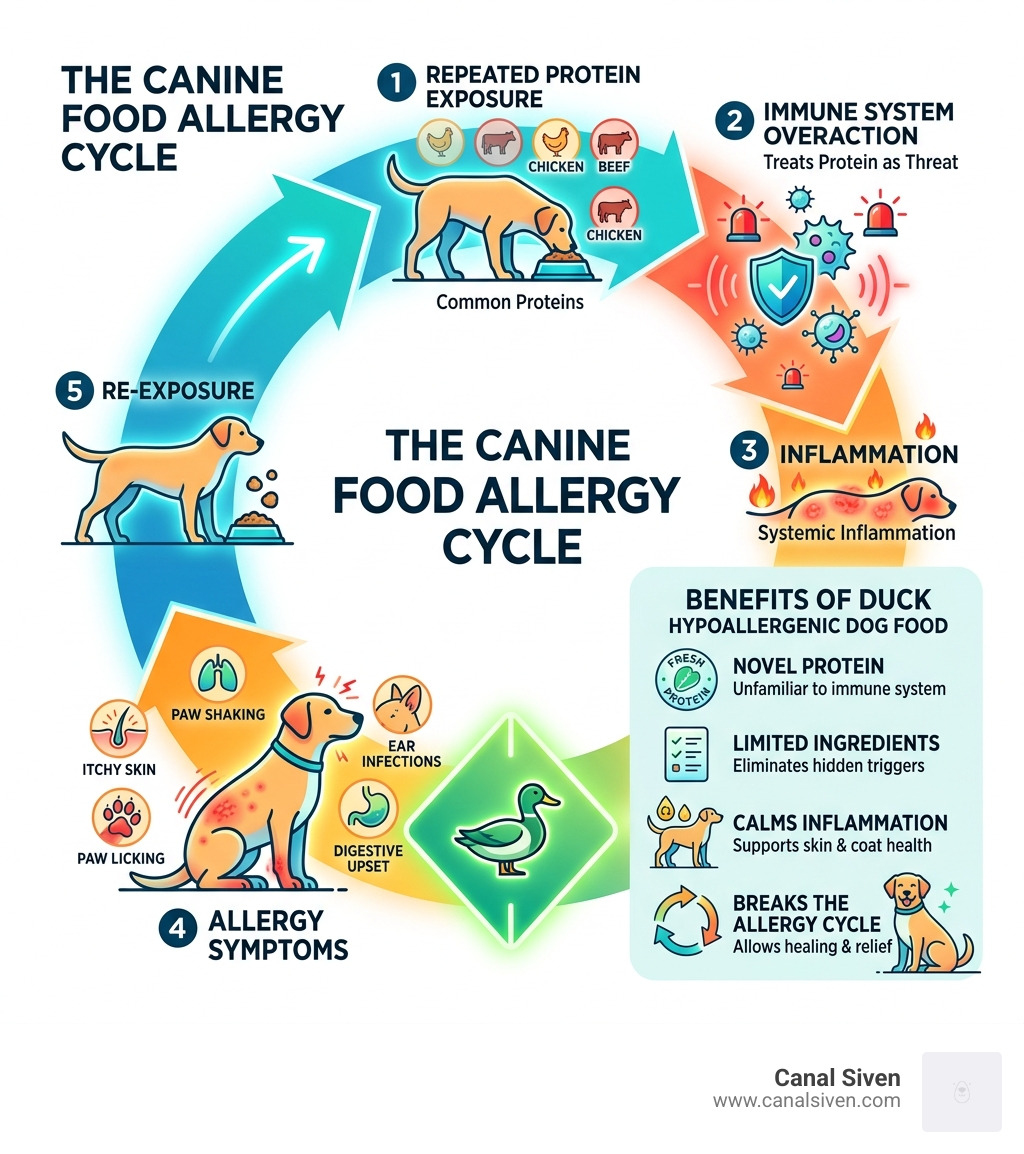
That’s the problem. When a dog eats the same protein over and over, their immune system can start treating it like a threat. The result is a cycle of inflammation: itchy skin, red paws, ear infections, and stomach trouble.
Switching to a duck-based diet breaks that cycle — because duck gives the immune system something it hasn’t seen before.
It’s not a miracle cure. But for many dogs, it’s exactly the fresh start their body needs.
Why duck hypoallergenic dog food is the secret to allergy relief
As we head into April 2026, more pet parents than ever are discovering that the “secret” to a happy, scratch-free dog isn’t always found in a medicine bottle—it’s found in the food bowl. When we talk about duck hypoallergenic dog food, we are focusing on what veterinarians call a “novel protein.”
In canine nutrition, “novel” simply means new or unfamiliar. Most dogs have spent their lives eating chicken, beef, or perhaps lamb. Because their immune systems are so accustomed to these proteins, they are more likely to develop an overactive response to them. Duck, however, remains relatively rare in mainstream commercial diets. This rarity makes it an ideal candidate for an elimination diet, where we strip away all potential allergens to see if the symptoms clear up.
The immune response in a dog with food allergies is essentially a case of mistaken identity. The body sees a common protein molecule and flags it as an invader, releasing histamines that lead to that frantic, middle-of-the-night scratching. Because duck has a different protein structure, the immune system often fails to recognize it as a “threat,” allowing your dog’s body to finally relax and heal.
Scientific evidence supports this transition. Research into Scientific research on novel protein efficacy suggests that using a truly novel protein source can significantly reduce dermatological symptoms in dogs within just a few months.
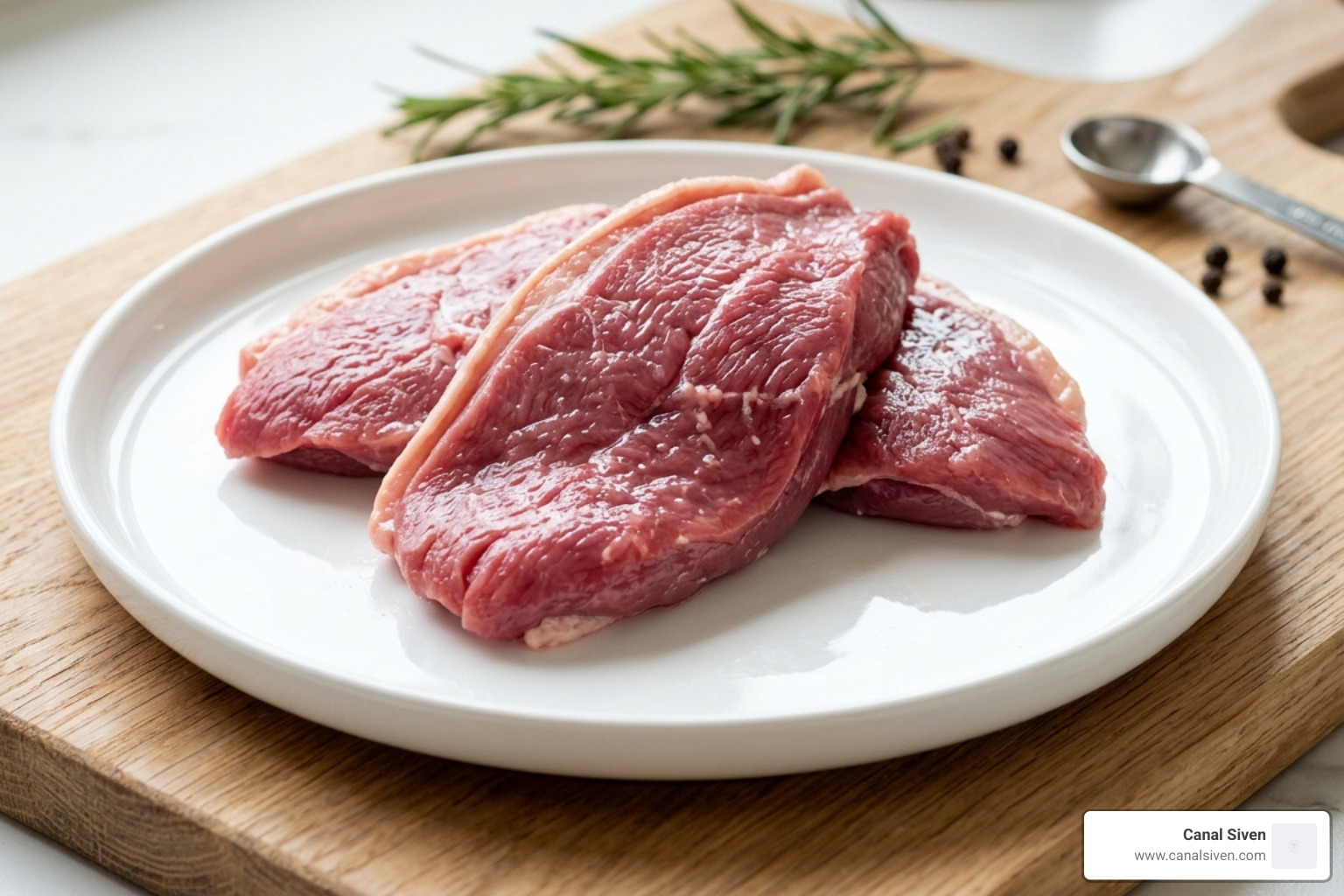
The science of duck hypoallergenic dog food and cross-reactivity
One of the most fascinating aspects of duck is its low cross-reactivity rate. You might think that because a dog is allergic to chicken, they would automatically be allergic to all birds. However, the science tells a different story.
Statistics show that while 30-50% of chicken-allergic dogs will also react to turkey due to the similarity in their protein structures, the cross-reactivity rate for duck is remarkably low—only about 10-20%. This means that even if your pup turns into a red, itchy mess after a chicken dinner, there is an 80-90% chance they will thrive on a duck-based diet.
Duck protein is also highly bioavailable. This means the amino acids are easily broken down and absorbed by your dog’s digestive tract. When a protein is easy to digest, it leaves less “waste” for the immune system to potentially react to in the gut. It’s a win-win: better nutrition and fewer itchy ears.
What to look for in duck hypoallergenic dog food ingredients
Not all duck foods are created equal. If you are browsing the aisles or shopping online in 2026, you need to be a bit of a detective. To be truly hypoallergenic, the formula should ideally be a “Limited Ingredient Diet” (LID).
We recommend looking for recipes where duck is the #1 ingredient—and ideally the only animal protein. Avoid anything that lists “meat by-products” or “poultry meal,” as these can contain hidden traces of chicken or beef that will sabotage your progress.
Key ingredients to look for include:
- Duck (Fresh or Dehydrated): High-quality animal protein.
- Sweet Potato or Potato: Low-glycemic carbohydrates that provide energy without the gluten found in wheat.
- Pumpkin: Excellent for firming up stools and aiding digestion.
- Chicory Root: A natural source of inulin (a prebiotic) that feeds the good bacteria in the gut.
To help you visualize the difference, we’ve put together a quick comparison table:
| Feature | Standard Chicken Kibble | Duck Hypoallergenic Formula |
|---|---|---|
| Protein Source | Common (Chicken/Beef) | Novel (Duck) |
| Cross-Reactivity | High (30-50% with other birds) | Low (10-20%) |
| Fatty Acids | Moderate | High (Natural Omega-3 & 6) |
| Common Fillers | Corn, Wheat, Soy | Grain-Free (Potato, Lentils) |
| Digestibility | Varies | High / Gentle on Stomachs |
Nutritional benefits: Omega fatty acids and beyond
Beyond just stopping the itch, duck hypoallergenic dog food is a nutritional powerhouse. If your dog’s coat has looking a bit dull or feeling like straw lately, the natural fats in duck might be the “gloss” they need.
Duck is naturally richer in Omega-3 and Omega-6 fatty acids than many other proteins. These aren’t just buzzwords; they are essential components of the skin barrier. Think of the skin barrier like a brick wall. Allergic dogs often have “leaky” walls that let moisture out and allergens in. Omega fatty acids act like the mortar that holds the bricks together, keeping the skin hydrated and resilient.

Furthermore, duck is an excellent source of iron and B vitamins. Iron is crucial for healthy blood and energy levels, while B vitamins (like Niacin and Pyridoxine) support everything from metabolic function to brain health. For dogs that have been depleted by chronic inflammation, these nutrients help rebuild their strength from the inside out.
Digestive support and gut health
At Canal Siven, we believe that health starts in the gut. Many dogs with skin allergies also suffer from “silent” digestive issues—occasional gas, soft stools, or a gurgling tummy. Duck is exceptionally gentle on the gastrointestinal tract.
Hypoallergenic duck formulas often include specialized supplements to support microbial balance. You might see ingredients like Enterococcus faecium or Lactobacillus acidophilus on the label. These probiotics help maintain a healthy biome, which is vital because about 70% of a dog’s immune system resides in their gut. By calming the gut with an easy-to-digest protein like duck, we are essentially calming the entire immune system.
This makes duck an excellent choice for dogs with:
- IBS (Irritable Bowel Syndrome): Where gentle proteins are a must.
- IBD (Inflammatory Bowel Disease): Where minimizing “trigger” proteins is life-changing.
- Sensitive Stomachs: For the dogs who seem to get “the runs” from every new treat.
Holistic health and superfoods
The best duck dog foods in 2026 aren’t just meat and potatoes. They are holistic recipes designed for total body wellness. We often see duck paired with “superfoods” that provide functional benefits:
- Turmeric: Contains curcumin, a powerful natural anti-inflammatory that helps with both skin redness and joint pain.
- Apple Cider Vinegar: Can help balance pH levels and support a healthy immune response.
- Coconut Oil: Provides medium-chain triglycerides for brain health and skin moisture.
- Green Lipped Mussels: Naturally rich in glucosamine and chondroitin to support aging joints.
When you combine these with a lean protein like duck (which typically has a crude fat content around 12-15% in dry kibble), you get a meal that supports a lean body weight while providing maximum “biological value.”
Transitioning and feeding guidelines for sensitive dogs
You’ve bought the bag, and you’re ready to see results. But wait! If you just swap the bowls overnight, you might end up with a very messy living room floor. Sensitive dogs need a slow, steady hand when it comes to dietary changes.
We recommend a transition period of 10 to 14 days. This gives the digestive enzymes in your dog’s gut time to adjust to the new protein structure.
A typical schedule looks like this:
- Days 1-3: 25% Duck food, 75% Old food.
- Days 4-7: 50% Duck food, 50% Old food.
- Days 8-10: 75% Duck food, 25% Old food.
- Day 11+: 100% Duck food.
During this time, keep a close eye on their stool quality. It’s normal for things to be a little softer during the first few days, but if they develop actual diarrhea, slow down the transition. Also, duck is nutrient-dense. Many high-quality duck recipes provide around 400-440 Kcals per cup. Always check the feeding chart on the bag to ensure you aren’t overfeeding, as extra weight can put even more stress on an allergic dog’s joints.
Wet vs. dry duck formulas
One question we get asked often at Canal Siven is whether wet or dry food is better for an allergic dog. The truth is, both have their place!
Dry Duck Kibble:
- Pros: Better for dental health (the crunch helps scrape away tartar), easier to store, and generally more cost-effective.
- Cons: Lower moisture content, which isn’t ideal for dogs who don’t drink much water.
Wet (Canned) Duck Food:
- Pros: High moisture content (usually around 78%), which is great for kidney health and hydration. It’s also incredibly palatable for picky eaters. Many wet formulas use 90% or more duck meat, making them very “clean” for elimination diets.
- Cons: More expensive and has a short shelf life once opened.
Many pet parents find that a “topper” approach works best—mostly dry kibble for the health benefits, with a spoonful of wet duck pate mixed in to make it irresistible.
When to consult a veterinarian
While we love the power of nutrition, we aren’t a replacement for professional medical advice. If your dog is scratching so hard they are bleeding, or if they have “hot spots” (moist, red, infected patches of skin), you need to see your vet immediately.
A veterinarian can help establish a VCPR (Veterinarian-Client-Patient Relationship), which is fancy talk for “they know your dog well enough to give specific medical orders.” They might suggest a formal elimination trial, which lasts 8-12 weeks. During this time, your dog must eat only the duck hypoallergenic dog food—no treats, no table scraps, and no flavored heartworm pills. It takes discipline, but it’s the only way to know for sure if the food is the fix.
Frequently Asked Questions about duck dog food
Is duck better than chicken for dogs with allergies?
For the majority of allergic dogs, yes. Because duck is a novel protein with a different molecular structure, the immune system is less likely to trigger an inflammatory response. While chicken is a high-quality protein, its ubiquity in the pet food industry makes it a much more common allergen.
Can dogs with kidney or liver disease eat duck?
Duck can be an excellent option because it is highly digestible and provides high-quality protein without the “junk” fillers that can stress the liver and kidneys. However, because duck can sometimes be higher in fat than white-meat chicken, you should always consult your vet to ensure the specific fat and phosphorus levels are appropriate for your dog’s stage of disease.
How long does it take to see results on a duck diet?
Patience is key! While digestive improvements (like better stools) can often be seen in as little as a week, skin and coat changes take longer. It takes about 21 days for skin cells to regenerate and even longer for a new, healthy coat to grow in. Most experts recommend staying on a strict duck diet for at least 8 to 12 weeks before deciding if it’s working.
Conclusion
At Canal Siven, we know that watching your best friend suffer through constant itching is heartbreaking. It affects their sleep, their mood, and their quality of life. But as we’ve explored in this guide, the solution might be as simple as changing what’s in their bowl.
By choosing duck hypoallergenic dog food, you are giving your dog a “clean slate.” You are providing them with a novel protein that sidesteps common allergies, rich omega fatty acids that rebuild the skin barrier, and a highly digestible meal that supports their gut health.
Whether you choose a grain-free kibble or a moisture-rich wet food, the goal is the same: a happier, healthier, and much less itchy dog. In the landscape of April 2026, we have more tools than ever to tailor our pets’ nutrition to their specific needs.
If you’re ready to take the next step in your dog’s health journey, we are here to help with tailored insights and financial tips for smart pet living. For more information on creating the perfect meal plan for your pup, check out our More info about pet nutrition services.
Here’s to fewer scratches and more belly rubs!
