
Detailed Guide to Hypoallergenic Pet Food
When Your Pet Won’t Stop Scratching: What Hypoallergenic Pet Food Actually Does
Hypoallergenic pet food is specially formulated to reduce or eliminate ingredients that commonly trigger allergic reactions in dogs and cats.
Here’s a quick answer to what it covers:
- What it is: Food made with limited, carefully selected ingredients — often using hydrolyzed proteins or novel protein sources like kangaroo or venison
- Who it’s for: Pets showing signs like itchy skin, chronic ear infections, vomiting, loose stools, or rashes linked to food
- How it works: It removes or breaks down the proteins that your pet’s immune system incorrectly flags as threats
- Main types: Hydrolyzed protein diets, novel protein diets, and limited ingredient diets
- Important note: “Hypoallergenic” is a marketing term — it has no strict legal definition under AAFCO standards
If your dog or cat is constantly scratching, dealing with recurring ear infections, or struggling with an upset stomach, food could be part of the problem. It’s one of the most frustrating situations a pet owner faces — you’re doing everything right, and your pet still isn’t comfortable.
The tricky part? Food allergies in pets develop over time. The culprit is often something your pet has been eating for months or even years — not something new. And with over 900 products listed under “hypoallergenic dog food” on Amazon alone, it’s easy to feel overwhelmed.
This guide breaks it all down simply — what hypoallergenic pet food really means, how the science works, which diets help most, and when you actually need a vet.
Understanding Hypoallergenic Pet Food and How It Works
As we move into April 2026, the pet food industry has seen a massive surge in “specialty” diets. However, it is vital to understand that the term “hypoallergenic” is largely a marketing label. Unlike terms like “complete and balanced,” the American Association of Feed Control Officials (AAFCO) does not provide a strict legal definition for what makes a food hypoallergenic.
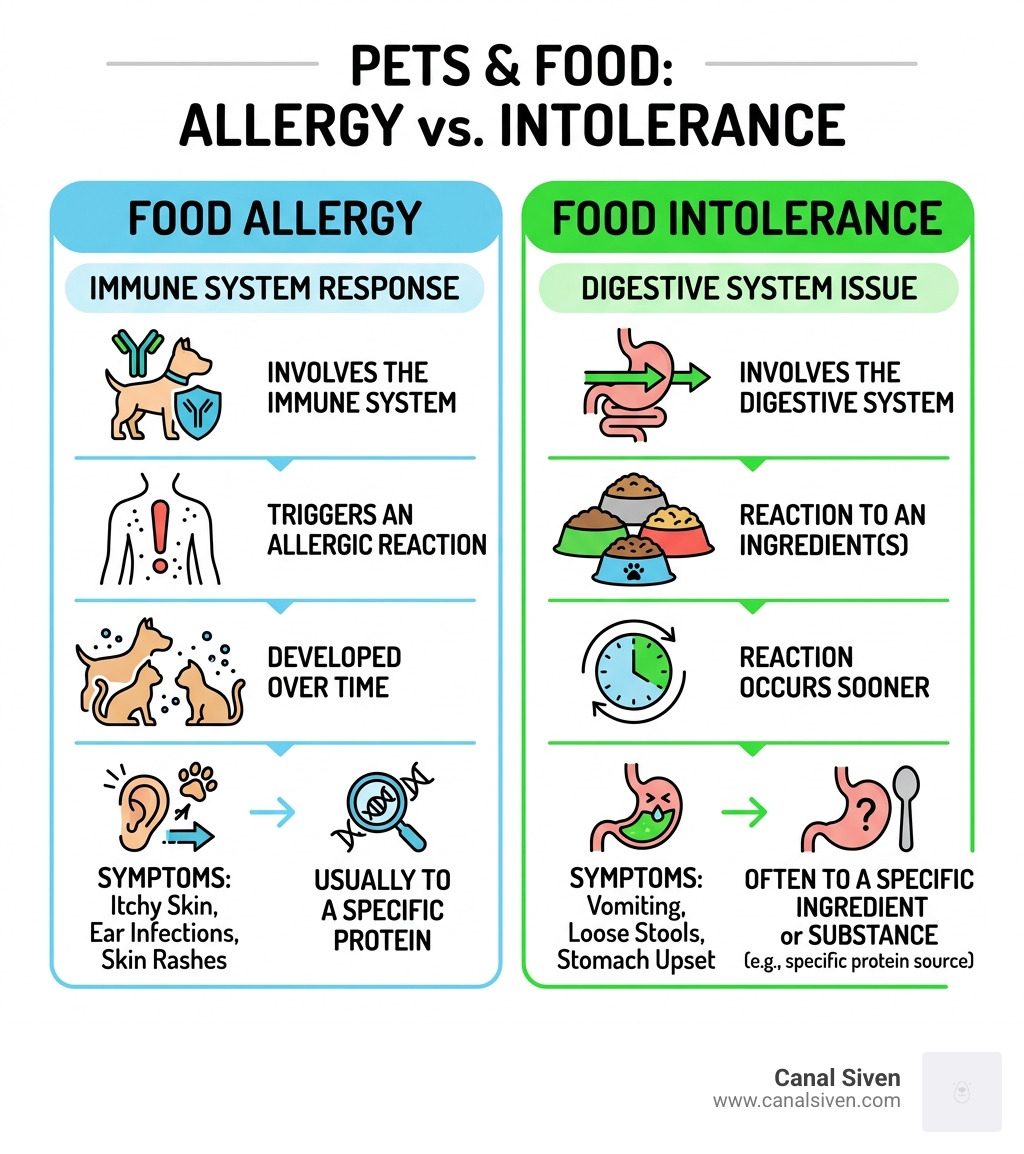
At its core, hypoallergenic pet food is designed to address immune-mediated reactions. When a pet has a true food allergy, their immune system mistakenly identifies a specific protein—usually a glycoprotein—as a foreign invader. This triggers the production of IgE antibodies, which lead to mast cell degranulation and the release of histamine. This is why your dog might look like they’ve spent the afternoon in a patch of poison ivy after eating a standard bowl of kibble.
At Canal Siven, we believe that understanding the “why” behind your pet’s health is the first step toward smart living. Scientific research shows that these reactions are often a response to intact proteins. By changing the structure or the source of these proteins, we can effectively “hide” the food from the immune system.
The Role of Hydrolyzed Protein in Hypoallergenic Pet Food
Hydrolyzed protein is the “stealth mode” of pet nutrition. In these diets, proteins (such as soy, chicken, or pork) are broken down into tiny pieces called polypeptides using enzymes called proteases.
The goal is to reduce the molecular weight of the protein. When the protein fragments are small enough, the pet’s immune system can no longer recognize them as the original allergen. For example, if your dog is allergic to chicken, their body is looking for a “chicken-shaped” protein. Hydrolysis breaks that protein into such small bits that the “shape” is gone, preventing antigen recognition. This is why hydrolyzed soy protein is a staple in many therapeutic diets; it provides necessary amino acids without the allergic baggage.
Selecting Novel Proteins for Hypoallergenic Pet Food
If hydrolyzed protein is “stealth mode,” then novel proteins are the “unfamiliar face” strategy. A novel protein is simply a protein source your pet has never eaten before.
Common proteins like beef and chicken are the usual suspects because they are so prevalent in standard pet foods. By switching to kangaroo, venison, duck, or salmon, you are giving your pet’s immune system a break. Since the body hasn’t encountered these specific proteins before, it hasn’t had the chance to develop an allergic response to them. As of July 2025, kangaroo and venison remain some of the most effective novel choices in the US market because they are rarely found in “off-the-shelf” treats or standard kibble.
Identifying Symptoms and Common Protein Triggers
How do you know if it’s time to consider hypoallergenic pet food? The symptoms can be surprisingly diverse. While we often think of allergies as “tummy troubles,” in pets, the skin is often the first place we see trouble.
Common signs include:
- Intense itching and scratching (pruritus)
- Chronic ear infections that keep coming back
- Red, inflamed skin or rashes
- Face rubbing or paw licking
- Gastrointestinal upset, such as chronic diarrhea or vomiting
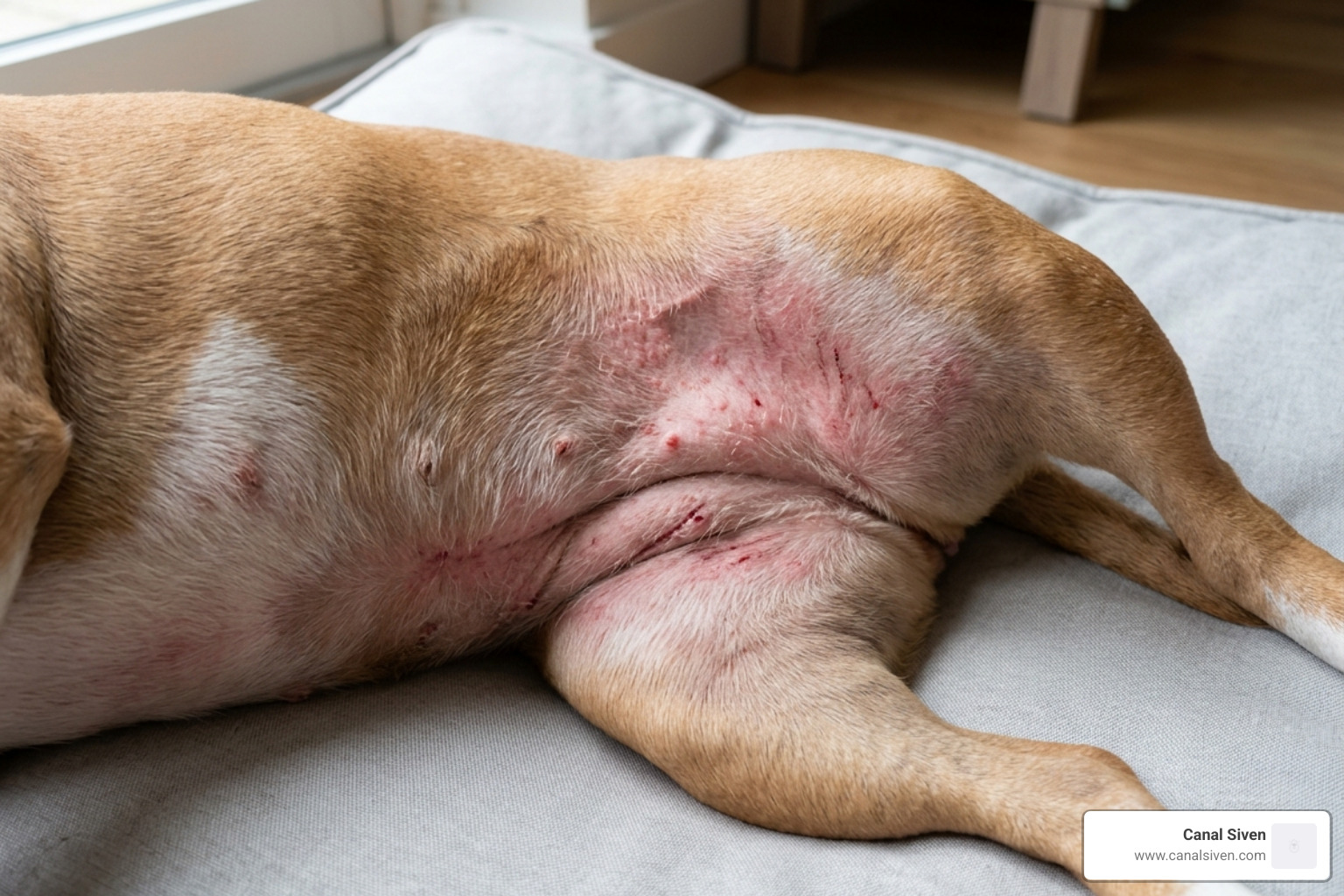
It is important to distinguish food allergies from atopic dermatitis (environmental allergies to things like pollen or dust). While food allergies are actually less common than environmental ones, they are much easier to control once you identify the trigger. Interestingly, certain breeds are more prone to these issues; Collies, West Highland White Terriers, and Cocker Spaniels are frequently noted in clinical studies as being highly susceptible to food sensitivities.
Common Dietary Allergens in Dogs and Cats
Many owners assume that grains like corn or wheat are the primary culprits. In reality, proteins are the most frequent triggers. Research indicates that the most common allergens for dogs and cats include:
- Beef
- Dairy products
- Chicken
- Lamb
- Egg
While wheat and soy can be triggers, they are statistically less likely to cause a reaction than animal proteins. This is why simply switching to a “grain-free” diet often fails to solve the problem—if the grain-free food still contains chicken or beef, the itching will continue.
Primary Types of Hypoallergenic Diets
Choosing the right diet depends on whether you are trying to diagnose an allergy or simply manage a known sensitivity.
| Diet Type | Mechanism | Best For |
|---|---|---|
| Hydrolyzed Protein | Proteins are chemically “shredded” to avoid immune detection. | Diagnosis (Elimination Trials) and severe allergies. |
| Novel Protein | Uses an exotic protein source (Kangaroo, Venison). | Long-term management for pets with known triggers. |
| Limited Ingredient (LID) | Minimizes the number of ingredients (e.g., one protein, one carb). | Pets with mild sensitivities or owners on a budget. |
Therapeutic or “prescription” diets are often the gold standard because they are produced with incredibly strict manufacturing standards. In a standard pet food factory, the same machine that makes chicken kibble might be used for salmon kibble, leading to cross-contamination. Therapeutic diets are cleaned and monitored much more rigorously to ensure that not even a trace of a common allergen ends up in the bag.
Benefits of Limited Ingredient Diets
Limited Ingredient Diets (LIDs) are fantastic diagnostic tools. By stripping the recipe down to a single protein and a single carbohydrate (like potato or rice), you gain ingredient transparency. If your dog thrives on a venison and sweet potato LID, you know that venison is a safe protein for them. These diets are often more accessible and can be found in many high-quality retail stores, though they may not have the same cross-contamination guarantees as prescription hydrolyzed options.
Essential Nutrients for Skin and Digestive Health
A hypoallergenic pet food shouldn’t just avoid the bad stuff; it needs to include the good stuff to help the body heal. When a pet has been suffering from allergies, their skin barrier is often compromised and their gut flora is out of balance.
- Omega-3 Fatty Acids (EPA & DHA): These are the superstars of anti-inflammatory nutrition. Omega-3 fatty acids help manage skin inflammation by altering the production of eicosanoids, effectively “cooling down” the itchy response.
- Vitamin A and E: These vitamins support skin cell turnover and act as antioxidants to protect damaged skin.
- Zinc: Essential for skin integrity and coat quality.
- Fibers and Prebiotics: Ingredients like beet pulp or fructo-oligo-saccharides support a balanced intestinal flora, which is crucial since a large portion of the immune system resides in the gut.
Transitioning Your Pet to a Hypoallergenic Diet Safely
You’ve bought the new bag of food—now what? Do not switch the food overnight! A sudden change can cause a “digestive rebellion,” making it impossible to tell if the new food is working or if your pet just has an upset stomach from the quick transition.

We recommend a 7-10 day transition period:
- Days 1-3: 25% new food, 75% old food.
- Days 4-6: 50% new food, 50% old food.
- Days 7-9: 75% new food, 25% old food.
- Day 10: 100% new food.
The Golden Rule of Elimination Trials: During this trial period (which usually lasts 4 to 8 weeks), your pet cannot have anything else. No table scraps, no flavored heartworm pills (check with your vet for alternatives), and definitely no standard dog treats. One single piece of chicken “cheating” can reset the entire 8-week clock. Stool improvements are usually seen within two weeks, but skin comfort and hair regrowth can take much longer.
Frequently Asked Questions about Hypoallergenic Diets
How long does it take to see results after switching food?
Patience is the most important ingredient in any hypoallergenic diet. You will likely see changes in stool consistency and a reduction in gas within the first two weeks. However, skin takes longer to heal. It usually takes four to eight weeks for the skin inflammation to subside and for you to see if the scratching has truly stopped. Consistency is key!
Is grain-free the same as hypoallergenic pet food?
No. This is one of the most common myths in the pet industry. While some pets are sensitive to grains, the vast majority of food allergies are caused by animal proteins. A grain-free food that uses chicken as its primary protein will still cause a reaction in a chicken-allergic dog. Always look at the protein source first, not just the “grain-free” label.
Can I make hypoallergenic meals at home?
Yes, but it is risky without professional help. Homemade diets allow for total control over ingredients, but they are often nutritionally incomplete. Studies show that many “online” recipes lack essential minerals like zinc or calcium. If you choose this route, we recommend working with a board-certified veterinary nutritionist and using specialized amino acid and mineral supplements to ensure the meal is balanced.
Conclusion
Managing a pet with food sensitivities is a journey, not a quick fix. By choosing the right hypoallergenic pet food, whether it’s a hydrolyzed prescription diet or a carefully selected novel protein, you are investing in your pet’s long-term comfort and health.
At Canal Siven, we are dedicated to providing the financial and nutritional insights you need for smart, healthy living. Navigating pet health doesn’t have to be a solo mission. For more tailored advice on choosing the best nutrition for your furry family members, explore our pet nutrition services.
Every pet is an individual. What works for a neighbor’s Collie might not work for your Westie. Stay patient, stay consistent, and keep your vet in the loop as you find the perfect bowl of food for your best friend.
