
Happy Tummies and Wagging Tails A Guide to Digestive Pet Food
Why Your Pet’s Gut Health Matters More Than You Think
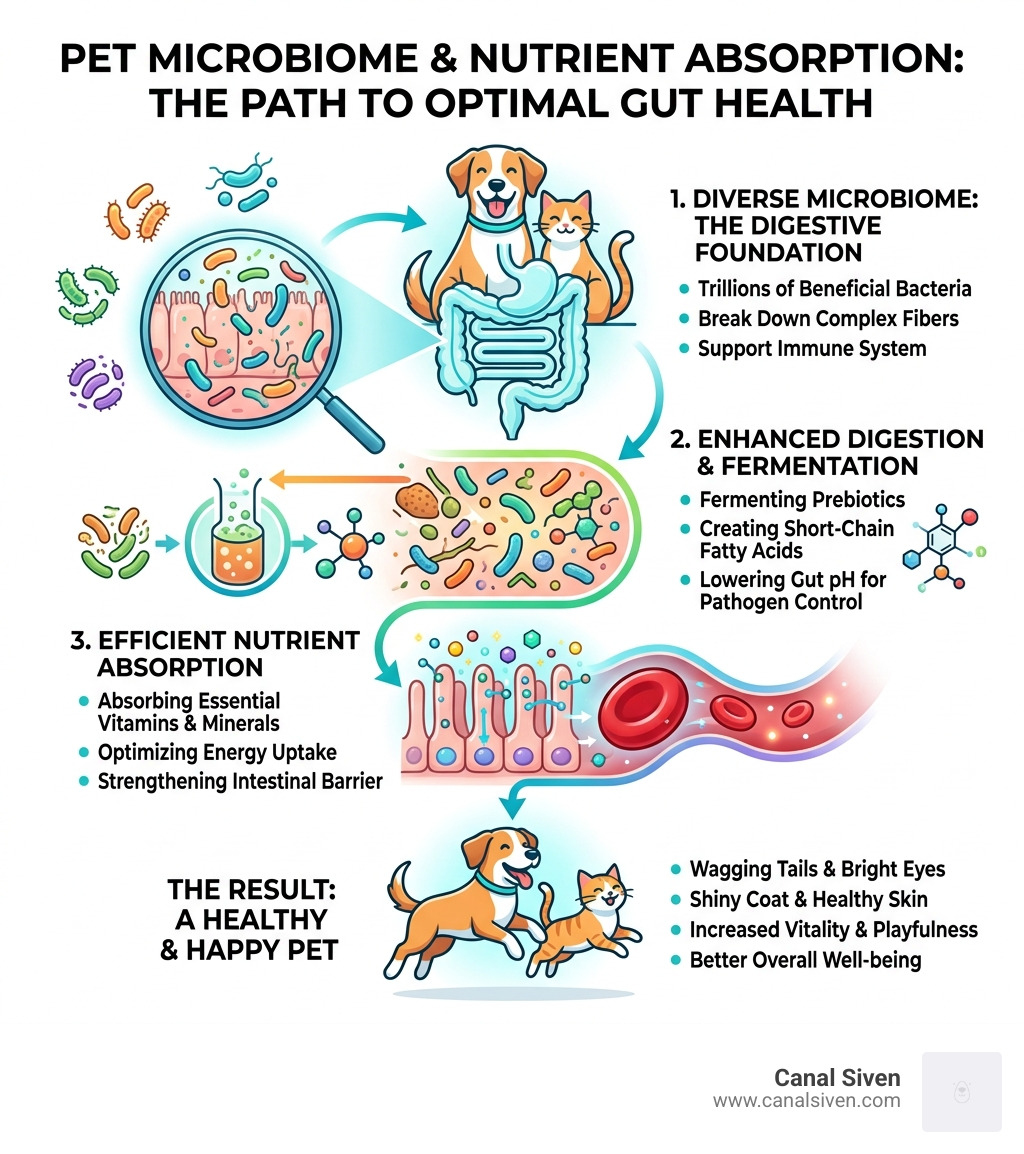
Pet food for digestion is one of the fastest-growing categories in the pet nutrition market — and for good reason. According to research on the canine microbiome, a healthy gut does a lot more than just process food. It affects your pet’s energy, immune system, stool quality, and even how long they live.
When selecting a digestive health diet, look for these key nutritional components:
| Component | Key Benefit | Why It Matters |
|---|---|---|
| Prebiotics | Feeds beneficial gut bacteria | Supports a balanced microbiome |
| Probiotics | Adds live beneficial microbes | Improves nutrient absorption |
| L.I.P. Proteins | High assimilation rate | Reduces strain on the GI tract |
| Soluble Fiber | Regulates stool consistency | Prevents diarrhea and constipation |
When the digestive system is off, everything feels off — for your pet and for you. The signs are easy to miss at first. A little loose stool here. Some extra gas there. But over time, poor digestion can quietly rob your pet of nutrients, energy, and comfort.
The good news? The right food makes a real difference. Ingredients like prebiotics, probiotics, and highly digestible proteins are now backed by solid science — not just marketing claims.
This guide cuts through the noise. Whether you’re dealing with a sensitive stomach, looking to switch foods, or just want to make sure your dog or cat is thriving, you’ll find clear, practical answers below.
Identifying Common Digestive Issues in Pets
As pet owners, we’ve all been there: the middle-of-the-night “hurp-hurp-hurp” sound that sends us sprinting for the hardwood floor. While occasional vomiting or loose stools might just be the result of a stolen scrap of bacon, persistent symptoms are your pet’s way of telling you their internal “plumbing” is struggling.
Scientific research highlights that a healthy gut is directly linked to waste processing and nutrient absorption. When things go south, you’ll notice more than just a mess on the rug. Dogs with optimized gut health have been shown to demonstrate up to 15% greater overall activity levels compared to those with unbalanced microbiomes. Conversely, poor digestion leads to lower oxidative stress resistance and reduced vitality.
Common symptoms of GI distress include:
- Vomiting: Occasional “yellow bile” or undigested food.
- Loose Stools: Difficulty firming up, which indicates poor water absorption in the colon.
- Flatulence: Excessive gas that can clear a room is often a sign of fermentation issues in the gut.
- Constipation: Straining or infrequent movements, often caused by a lack of soluble fiber.
| Symptom | Mild/Occasional | Severe/Chronic (See a Vet) |
|---|---|---|
| Stool Quality | Slightly soft, happens once | Liquid, bloody, or lasts >24 hours |
| Vomiting | Once after eating grass | Projectile, frequent, or contains blood |
| Activity | Slightly sleepy | Extreme lethargy or collapse |
| Appetite | Skips one meal | Refuses food for over 24 hours |
Signs of Food Intolerance
Sometimes the issue isn’t a “bug” but the food itself. Food intolerance often manifests as skin irritation (red paws, itchy ears), chronic gas, or general lethargy. Unlike a true allergy, which involves the immune system, an intolerance is a digestive failure to break down specific ingredients—often certain proteins or high-fat fillers. We recommend an elimination diet under professional guidance to pinpoint the culprit.
When to See a Veterinarian
If you notice rapid weight loss, persistent diarrhea, or signs of dehydration (like dry gums), it is time to seek professional help. A valid Veterinarian-Client-Patient Relationship (VCPR) is essential for diagnosing complex issues like stomach cancer or severe inflammatory bowel disease. Your vet may use diagnostic testing, such as stool samples for parasites, to rule out medical conditions before recommending a specific pet food for digestion.
Key Ingredients in Pet Food for Digestion

The secret to a “perfect poop” (yes, we pet parents actually talk about this) lies in the ingredient list. Modern pet nutrition has moved beyond simple “fillers” to functional ingredients that actively manage the gut environment.
The Role of Prebiotics in Pet Food for Digestion
Think of prebiotics as the “fertilizer” for the good bacteria already living in your pet’s gut. These are typically non-digestible fibers that feed the microbiome. Key sources include:
- Whole grain oats and barley: Provide gentle, soluble fiber.
- Beet pulp and Inulin: Act as “food” for beneficial microbes.
- Pumpkin: A powerhouse of fiber that absorbs excess water during diarrhea but adds bulk to help with constipation.
Advanced formulas, such as those featuring specialized prebiotic fiber blends, use proprietary mixtures to rapidly activate the gut microbiome, often showing visible results in stool quality within just seven days.
Benefits of Probiotics and Postbiotics
While prebiotics are the food, probiotics are the “good bugs” themselves. Ingredients like Bacillus Coagulans are hardy enough to survive the manufacturing process and reach the intestines alive.
The newest frontier in pet health is postbiotics. These are the beneficial byproducts created when probiotics “eat” prebiotics. Research shows that postbiotics can improve pathogen surveillance (the immune system’s ability to spot “bad guys”) and reduce oxidative stress. In clinical trials, dogs fed postbiotics showed significantly higher activity levels and improved antioxidant capacity.
Other vital components include:
- Highly Digestible Proteins (L.I.P.): Specifically selected proteins with very high assimilation rates to reduce the workload on the intestines.
- Novel Fibers: Ingredients like miscanthus grass are becoming popular for producing near-perfect stool with minimal odor.
- Cold-Pressed Nutrient Clusters: Found in certain premium formulas, these are cold-formed kibble pieces that preserve the potency of vitamins and antioxidants that heat-processing might otherwise destroy.
Comparing Wet and Dry Pet Food for Digestion
Choosing between the can and the bag isn’t just about price; it’s about your pet’s specific digestive needs.
Wet Pet Food Benefits:
- Hydration: High moisture content is crucial for kidney health and keeping things moving through the GI tract.
- Palatability: Easier to eat for senior pets or those with nauseous stomachs.
- Lower Intestinal Load: Often contains fewer starches than dry kibble, making it easier to break down.
Dry Pet Food Benefits:
- Mechanical Cleaning: The crunch helps reduce plaque buildup on teeth.
- Shelf Stability: Easier to store and better for “bulk buying” to save money.
- Calorie Density: You feed less volume to get the same energy, which can be helpful for pets that need smaller, more frequent meals.
Many veterinarians recommend a “mixed feeding” approach to get the benefits of both. Look for formulas enriched with EPA+DHA (Omega-3 fatty acids), which provide anti-inflammatory benefits to the intestinal lining.
How to Transition to a New Pet Food for Digestion
Never switch your pet’s food “cold turkey.” Doing so is a recipe for a digestive disaster. We recommend the 10-day transition method:
- Days 1-3: 80% old food, 20% new food.
- Days 4-6: 50% old food, 50% new food.
- Days 7-9: 20% old food, 80% new food.
- Day 10: 100% new food.
Monitor stool quality throughout the process. If things get too loose, slow down the transition. Using a food calculator can help ensure you aren’t overfeeding, as excess calories can also cause digestive upset.
Choosing Based on Life Stage and Breed
A Great Dane puppy has very different needs than a 14-year-old Siamese cat.
- Puppies: Need calorie-dense food that supports rapid growth without stressing the stomach.
- Seniors: Require “graceful aging” formulas with balanced minerals for vital organ health and high-quality protein to maintain lean muscle.
- Large Breeds: Often benefit from added joint support and fibers that prevent “bloat” or rapid fermentation.
Specialized Solutions: Prescription vs. Over-the-Counter

There are thousands of results for “Digestive Health Dog Food” online, but not all are created equal.
Over-the-Counter (OTC): These are great for “sensitive stomachs.” They follow AAFCO standards for maintenance and use gentle ingredients like lamb, rice, or oatmeal. They are accessible and often more affordable.
Prescription Diets: These are veterinary-exclusive and FDA-compliant for treating specific medical conditions. Specialized therapeutic formulas are clinically shown to firm loose stools in as little as 24 hours. They are often used for fiber-responsive GI issues, or to manage complex problems like struvite crystals and calcium oxalate stones in the urinary tract.
Homemade Meals and Supplements
For owners who want total control, homemade meals are an option. However, it is nearly impossible to balance a pet’s vitamins and minerals using just “chicken and rice” long-term.
We recommend using professional tools like AI-powered recipe builders that ensure FDA and AAFCO compliance. Specialized supplements—like pure vitamin powders—are essential to prevent deficiencies. These lab-assayed, human-grade supplements can be tailored for specific needs, such as lower phosphorus for kidney health or specific amino acid balances for heart health.
Natural Whole Food Additives
If you want to stick to your current food but add a digestive “boost,” these natural toppers can help:
- Plain Pumpkin: 1-2 tablespoons can regulate bowel movements.
- Unsweetened Yogurt: Provides natural probiotics (ensure it’s xylitol-free!).
- Bone Broth: Rich in collagen to help repair the gut lining.
- Boiled Sweet Potatoes: A great source of potassium and fiber.
- Apples & Carrots: Provide “crunch” and healthy fiber (remove apple seeds first!).
Smart Buying Tips for Digestive Health Diets
Managing a pet with digestive issues can get expensive, but there are ways to save without compromising quality:
- Autoship Savings: Most major retailers offer 5% to 30% off your first order when you subscribe. This ensures you never run out—a critical factor because skipping a day of specialized food can trigger a relapse.
- Bulk Buying: Larger bags (22lb+) usually have a much lower “price per pound” than small bags. Just ensure you store them in an airtight container to keep the probiotics active.
- Money-Back Guarantees: Many premium brands often offer a 100% satisfaction guarantee. If your pet won’t eat it or it doesn’t help their tummy, you can return the unused portion for a refund.
- Free Shipping: Look for retailers that offer free shipping on orders over $49 to save on heavy bag deliveries.
Frequently Asked Questions about Digestive Pet Food
What are the best natural foods for a dog’s upset stomach?
For acute upset, a bland diet of boiled chicken breast (no skin/bones) and white rice is the gold standard. Once the stomach settles, adding a spoonful of plain canned pumpkin can help transition them back to their regular pet food for digestion.
How long does it take for digestive dog food to work?
For fiber-responsive issues, you might see “perfect poop” in as little as 24 hours to 7 days. However, for skin-related food intolerances, it can take up to 8–12 weeks to see the full benefits as the old allergens clear the system.
Is grain-free food better for my pet’s digestion?
Not necessarily. While some pets are sensitive to corn or wheat, grains like whole oats and barley provide essential soluble fiber that actually aids digestion. Unless your vet has confirmed a grain allergy, “grain-inclusive” digestive diets are often superior for microbiome health.
Conclusion
At Canal Siven, we believe that smart living starts with the health of your four-legged family members. Navigating pet food for digestion doesn’t have to be overwhelming. By focusing on science-backed ingredients like prebiotics and postbiotics, and working closely with your veterinarian, you can transform your pet’s quality of life.
Whether you choose a high-tech prescription diet, a premium over-the-counter kibble, or a carefully balanced homemade meal, the goal is the same: a happy tummy and a wagging tail. For more financial insights into pet ownership and tailored nutrition solutions, explore our resources today.
