
Fueling Your Tiny Terror with the Best Puppy Food for Small Breeds
Small Breed Puppies Have Unique Nutritional Needs — Here’s What to Feed Them
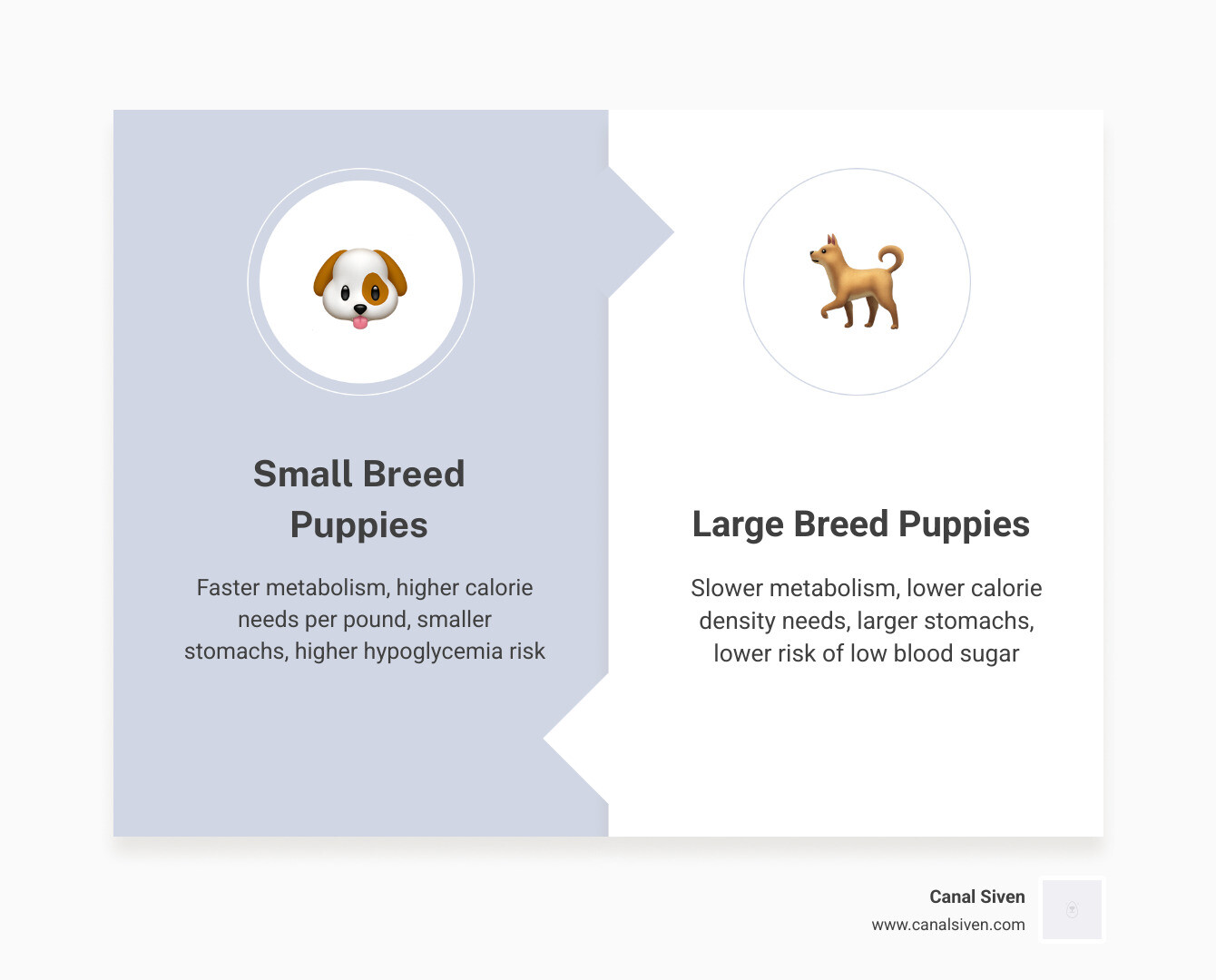
The best puppy food for small breeds keeps these tiny dogs fueled, healthy, and growing strong. Small breed puppies have faster metabolisms, higher calorie needs per pound, and a real risk of low blood sugar (hypoglycemia) if they go too long without eating.
When selecting a formula, look for these key features recommended by vets and pet owners:
- Science-Backed Formulas: Prioritize brands that use research-driven ingredients and small kibble sizes.
- Probiotics and DHA: Look for live probiotics for digestion and DHA from fish oil for brain development.
- Size-Specific Kibble: Targeted shapes for dogs under 10 lbs ensure easier chewing.
- Calorie Density: High-energy recipes designed for puppies up to 20 lbs.
- Essential Fatty Acids: Inclusion of DHA and ARA for cognitive and retinal health.
- Superfood Blends: Formulas that include antioxidants like kale and blueberries.
- High Animal Protein: Recipes featuring 80% or more animal ingredients for optimal growth.
Quick tip: Look for an AAFCO “Growth” or “All Life Stages” statement on the label. That’s your baseline quality check.
Small breeds now make up 47% of the dog population — but their tiny size hides surprisingly complex nutritional needs. A Chihuahua or Shih Tzu puppy is not just a smaller version of a Labrador. Their food needs to be calorie-dense, served frequently (up to 4-6 times a day), and sized right for small jaws.
Below, we break down exactly what to look for, which brands deliver, and how to feed your pup the right way.
Why Small Breeds Need Specialized Nutrition
It is a common misconception that small dogs are “low maintenance” just because they fit in a tote bag. In reality, their biology is dialed up to eleven. Small breed puppies have a significantly higher metabolic rate than their larger cousins. This means they burn through energy at a blistering pace. If we fed a Yorkie the same nutrient density as a Great Dane, that Yorkie would likely struggle to maintain its body temperature and energy levels.
At Canal Siven, we believe understanding these biological nuances is the first step toward smart living for you and your pet. Size-specific nutrition research and insights show that because small puppies have such tiny stomachs, every single bite must be packed with calories. They simply cannot physicaly eat enough “standard” food to meet their daily requirements.
Metabolic Rate and Hypoglycemia Prevention
The most critical risk for toy and small breeds is hypoglycemia (dangerously low blood sugar). Unlike large breeds, these tiny terrors have very little body fat or sugar reserves. If they skip a meal or play too hard, their blood sugar can crash, leading to lethargy, seizures, or worse. This is why the best puppy food for small breeds is calorie-dense and why we recommend feeding them 4 to 6 times a day during their first few months.
Small Kibble and Jaw Structure
Have you ever tried to eat a whole apple in one go? That is what a standard-sized kibble feels like to a Maltese. Small breed puppy food features “small bites” or “x-small” kibble shapes. These aren’t just cute; they are engineered for smaller jaw structures, making the food easier to chew and reducing the risk of choking. Furthermore, the mechanical action of chewing these smaller, crunchy bits helps scrape away plaque, which is vital since small breeds are notoriously prone to dental issues.
Essential Nutrients in the Best Puppy Food for Small Breeds
When scanning the back of a bag, you want to see more than just “chicken.” For a developing brain and body, several key nutrients are non-negotiable.
- DHA and ARA: These omega-3 and omega-6 fatty acids (naturally found in mother’s milk) are crucial for cognitive and retinal development. If you want your puppy to actually learn that “sit” command, DHA is your best friend.
- Calcium-Phosphorus Ratio: While small breeds don’t face the same orthopedic risks as giant breeds (who can grow too fast), they still need a precise balance to ensure bone density matches their rapid muscle growth.
- Antioxidants (Vitamin E & C): Puppies go through an “immunity gap” as they transition away from their mother’s milk. High levels of Vitamin E and C help bolster their developing immune systems.
- Omega-Rich Oils: Look for fish oils (like salmon or pollock) to ensure a shiny coat and healthy skin.
Identifying Quality Ingredients on the Label
Reading a dog food label can feel like deciphering ancient hieroglyphics. Here is our Canal Siven cheat sheet for finding the best puppy food for small breeds:
- The AAFCO Statement: Look for the phrase “complete and balanced for growth” or “all life stages” from the AAFCO. If it says “intermittent or supplemental use only,” put it back—it’s a treat, not a meal.
- Named Proteins: You want to see “Chicken,” “Turkey,” or “Salmon” as the first ingredient. Avoid generic terms like “meat meal” or “animal by-products,” which can be a mystery mix.
- Prebiotic Fibers: Small breeds can have sensitive tummies. Ingredients like dried chicory root or beet pulp support microbiome health and ensure firm stools (which makes your job easier!).
- Grain-Inclusive vs. Grain-Free: While grain-free is trendy, most vets recommend grain-inclusive diets unless a specific allergy is diagnosed. Grains provide essential energy. Be aware that the FDA has investigated links between certain grain-free diets (heavy in legumes) and DCM, a heart condition.

Choosing the Best Puppy Food for Small Breeds: Dry, Wet, or Fresh?
The “kibble vs. canned” debate is as old as time. In our experience, the best choice often depends on your puppy’s specific needs and your lifestyle.
| Feature | Dry Kibble | Wet/Canned Food | Fresh/Homemade |
|---|---|---|---|
| Convenience | High (shelf-stable) | Medium (needs fridge) | Low (prep/thaw time) |
| Dental Health | Helps scrape plaque | No dental benefit | No dental benefit |
| Hydration | Low | High | Medium |
| Palatability | Medium | High (great for picky eaters) | Very High |
| Cost | Most affordable | Moderate to High | Highest |
The Case for Each
- Dry Kibble: It’s the gold standard for convenience and dental hygiene. High-quality small breed formulas use a specific crunchy texture to help clean teeth as the pup eats.
- Wet Food: If your puppy is a “picky monster,” mixing in some wet food can entice them to eat. It’s also excellent for hydration, which is vital for kidney health.
- Fresh Food: Specialized fresh-prep services provide pre-portioned, human-grade meals. These are fantastic for managing exact calorie counts, preventing the obesity that plagues 50% of adult small dogs.
Vet-Recommended Formula Categories
If you are feeling overwhelmed, stick to the leading manufacturers often cited by veterinarians. These brands invest heavily in feeding trials and employ board-certified veterinary nutritionists.
For puppies with specific issues, look for:
- Sensitive Stomachs: Formulas with highly digestible proteins.
- Allergy Management: Limited ingredient diets or alternative proteins like lamb or turkey.
- High-Protein Recipes: For high-energy breeds like Jack Russell Terriers, premium recipes offer 70% animal ingredients to fuel those zoomies.
Top-Rated Options at Major Retailers
When shopping at major pet supply retailers, customer reviews provide a window into real-world results.
- Science-Based Small Paws Formulas: Often boast high ratings (4.8/5 stars). Owners frequently note improvements in coat shine and energy.
- Budget-Friendly Smart Puppy Options: Fantastic choices that don’t skimp on DHA while remaining affordable.
- Formulas Utilizing Superfoods: Highly rated for their use of ingredients like kale and blueberries without a premium price tag.
Feeding Guidelines and Transitioning to Adult Food
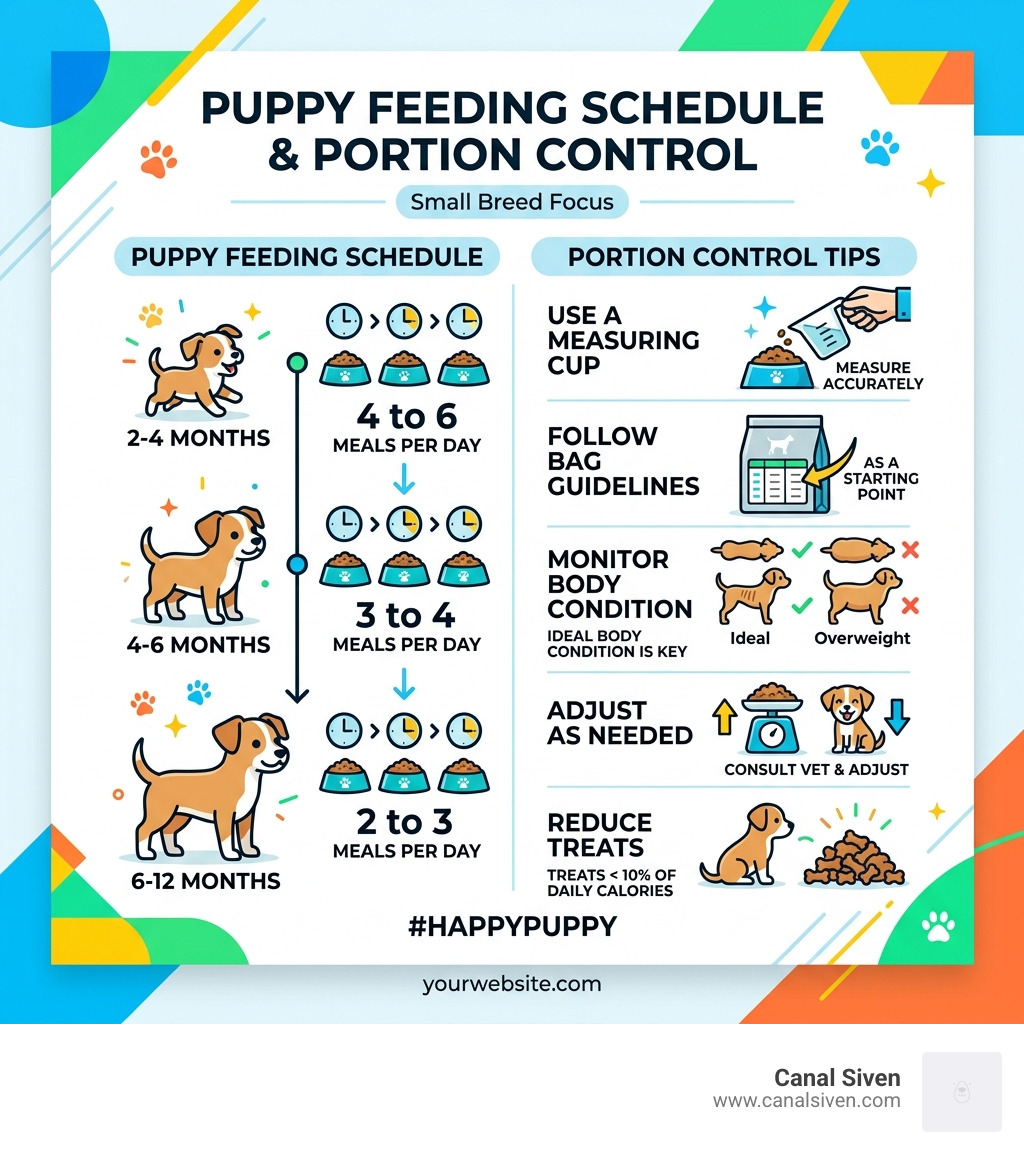
How much you feed is just as important as what you feed. Most bags have a chart, but remember: those are guidelines, not laws.
Feeding Frequency
Because of the hypoglycemia risk mentioned earlier, small breed puppies need a “little and often” approach.
- 2-4 Months: 4 to 6 meals per day.
- 4-6 Months: 3 to 4 meals per day.
- 6-12 Months: 2 to 3 meals per day.
If your puppy “inhales” their food, consider a slow-feeder bowl. Small dogs are prone to “reverse sneezing” and vomiting if they eat too fast.
Monitoring Growth
You’ll know the food is working if you see:
- Consistent Energy: Not lethargic, but not “vibrating” with frantic hunger.
- Shiny Coat: A dull coat often indicates a lack of essential fatty acids.
- Firm Stools: If it’s always runny, the protein source might be too rich or the fiber too low.
When to Switch from the Best Puppy Food for Small Breeds
Timing is everything. Small breeds mature much faster than large breeds. While a Great Dane might stay on puppy food for two years, a Chihuahua is usually “done” growing by 10 to 12 months.
The Transition Rule: Never switch foods overnight. It’s a recipe for a “poop-pocalypse.” Use the 7-to-10 day method:
- Days 1-3: 25% new food, 75% old food.
- Days 4-6: 50% new food, 50% old food.
- Days 7-9: 75% new food, 25% old food.
- Day 10: 100% new food.
Always consult your vet before making the final jump to adult maintenance food. They can check your pup’s body condition score to ensure they aren’t carrying extra “puppy fat” into adulthood.
Frequently Asked Questions about Small Breed Puppy Food
How often should I feed my small breed puppy to prevent hypoglycemia?
We recommend feeding 4 to 6 times a day for the first few months. Small breed puppies have high metabolic rates and very low sugar reserves. Frequent, calorie-dense meals ensure their blood sugar stays stable. If your puppy becomes lethargic or shaky, contact a vet immediately—this is often a sign of a “sugar crash.”
Are grain-free diets safe and recommended for small breed puppies?
Grains are not “fillers”; they are digestible energy sources. Most veterinarians recommend grain-inclusive diets unless your puppy has a diagnosed allergy (which is usually to the protein, like chicken, not the grain). The FDA has also noted concerns regarding grain-free diets and heart health, so discuss this choice with your vet first.
What are the signs that a puppy food is working well for my dog?
Look for the “Big Three”: a shiny, soft coat; steady, appropriate weight gain; and firm, consistent stools. Your puppy should also have plenty of energy for play and be alert during training sessions. If you notice excessive itching, constant gas, or dull eyes, it might be time to re-evaluate the formula.
Conclusion
Choosing the best puppy food for small breeds is one of the most important decisions you’ll make in your dog’s first year. By focusing on calorie density, small kibble sizes, and essential nutrients like DHA, you are setting your “tiny terror” up for a long, healthy life.
At Canal Siven, we are dedicated to providing tailored pet nutrition solutions for healthier living. Whether you choose a science-backed kibble or a fresh-prep approach, the goal is the same: a happy, thriving companion. For more insights on pet nutrition and financial tips for smart pet ownership, explore our latest guides and resources. Happy feeding!
