
Finding the Perfect Small Dog Food for Your Furry Friend
Why Choosing the Right Small Dog Food Matters More Than You Think
Small dog food isn’t just regular dog food in a smaller bag. It’s a genuinely different product — and for good reason.
Here are the top-rated small dog food categories based on customer reviews and expert recommendations:
| Category | Rating | Best For |
|---|---|---|
| Scientific Formulas | 4.8/5 | Overall top pick |
| Natural Ingredient Diets | 4.7/5 | Quality and value |
| High-Protein Recipes | 4.7/5 | Active breeds |
| Limited Ingredient Diets | 4.7/5 | Sensitive stomachs |
| Grain-Free Options | 4.6/5 | Specific dietary needs |
| Ancestral-Based Diets | 4.6/5 | High-protein requirements |
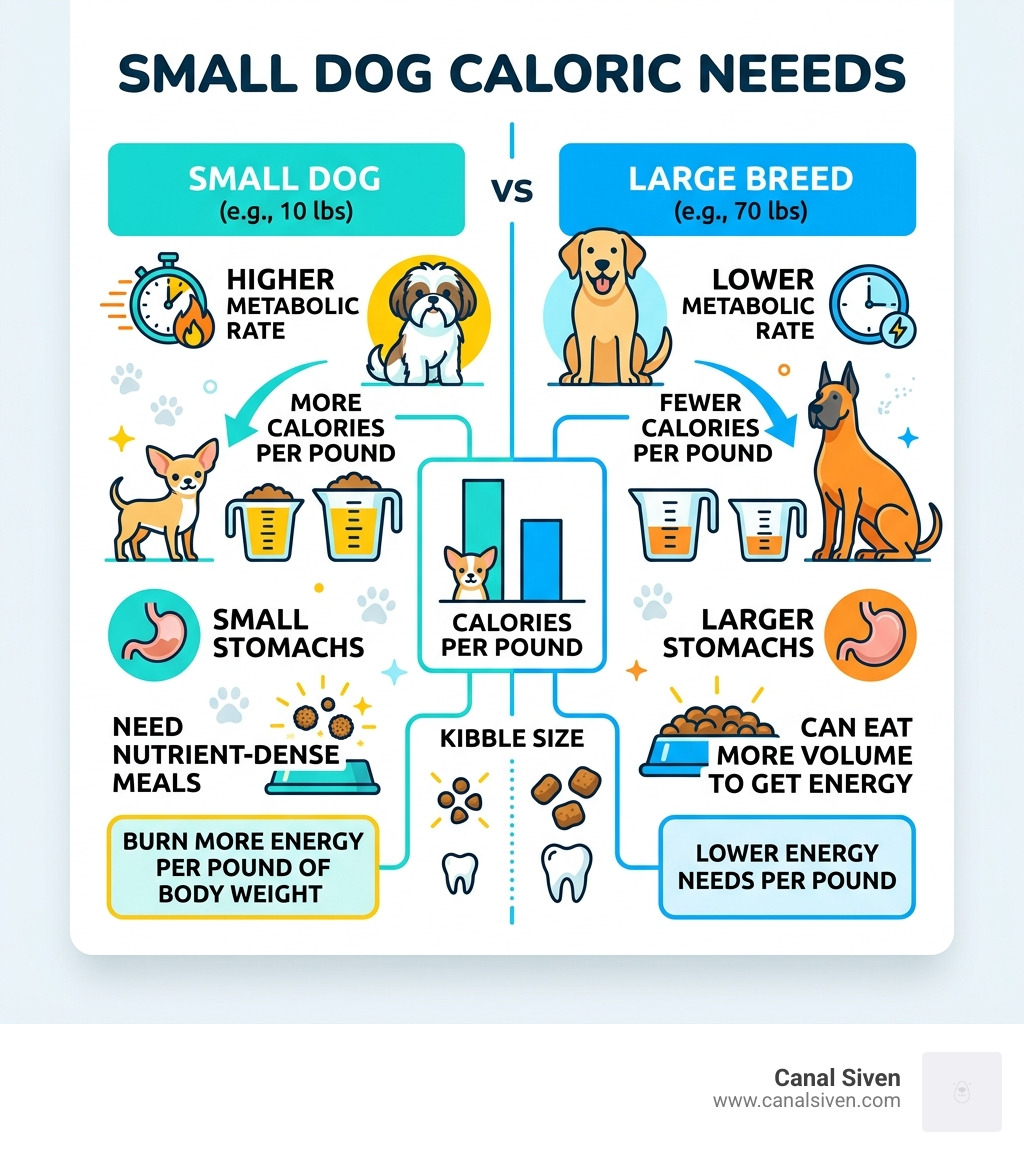
Small dogs have faster metabolisms than larger breeds. Pound for pound, they actually burn more energy — which means they need more calories per pound of body weight, not less.
They also have smaller mouths, shorter digestive tracts, and are often pickier eaters. A food that works great for a Labrador can be the wrong choice entirely for a Chihuahua or a Shih Tzu.
The good news? There are more high-quality, small-breed-specific options available in 2026 than ever before. The challenge is cutting through the noise to find what actually works for your dog.
This guide compares the leading small dog food categories across key factors — ingredients, kibble size, calorie density, life stage suitability, and real customer ratings — so you can make a confident, informed choice.
Why Small Breed Nutrition Requires a Specialized Approach
When we look at a Yorkie and a Great Dane, the differences are obvious. But the most significant differences are the ones we can’t see: their internal “engines.” Small dogs have a much higher metabolic rate. This means they burn through nutrients and energy significantly faster than their larger counterparts.
Because their stomachs are tiny, they can’t simply eat more food to get the energy they need. Instead, their small dog food must be more nutrient-dense. This high caloric density ensures that even a few bites provide the fuel necessary for their high-energy lifestyles.
Metabolism and Energy Requirements
Research into small breed energy requirements shows that these pint-sized pups often require more calories per pound of body weight than large dogs. While a large dog might thrive on a diet with lower caloric concentration, a small dog could actually lose weight or suffer from hypoglycemia (low blood sugar) if their food isn’t packed with enough “punch.” For a broader reference on canine nutrition standards and feeding basics, resources from the American Veterinary Medical Association can also be helpful alongside your veterinarian’s advice.
Life Stage Formulas: From Puppy to Senior
The intensity of growth in small breed puppies is staggering. They reach adulthood much faster than large breeds-often by 10 months of age. This short, intense growth window requires specialized nutrition to support bone development and immune health.
Conversely, small dogs are famous for their longevity, often living twice as long as giant breeds. This means they spend more years in the “senior” phase. To support this long life, premium small dog food often includes:
- Antioxidants: To fight cellular aging.
- Vitamin E and Beta-carotene: To bolster the immune system.
- Omega Fatty Acids: To keep their skin supple and coats shiny well into their teens.
The Role of AAFCO Standards in small dog food
When we evaluate any pet food, the first thing we look for is the AAFCO (Association of American Feed Control Officials) statement. AAFCO doesn’t “approve” food, but it establishes the standard for what constitutes “complete and balanced” nutrition.
A quality small dog food will have an AAFCO statement on the label confirming it meets the nutritional levels established for a specific life stage (like adult maintenance or growth). For those of us looking for more info about pet nutrition services, understanding these labels is the first step toward smart pet ownership.
The Importance of Kibble Size in small dog food
Kibble size isn’t just about aesthetics; it’s a safety and health requirement. Miniature jaws struggle with large, hard chunks of food, which can become choking hazards.
Small-bite kibble offers several advantages:
- Mechanical Cleaning: The crunchy texture of small kibble helps scrape away plaque and tartar, which is vital because small breeds are highly prone to dental disease.
- Palatability: Many small dogs are notoriously “fussy” eaters. Smaller, easier-to-chew pieces are often more appealing to them.
- Digestion: Smaller pieces are broken down more effectively in the mouth, leading to better nutrient absorption in the digestive tract.
Key Factors When Selecting Premium Formulas
Choosing the right bag involves more than just looking at the brand name. We need to look at the back of the bag—the ingredient list.
What to Look For
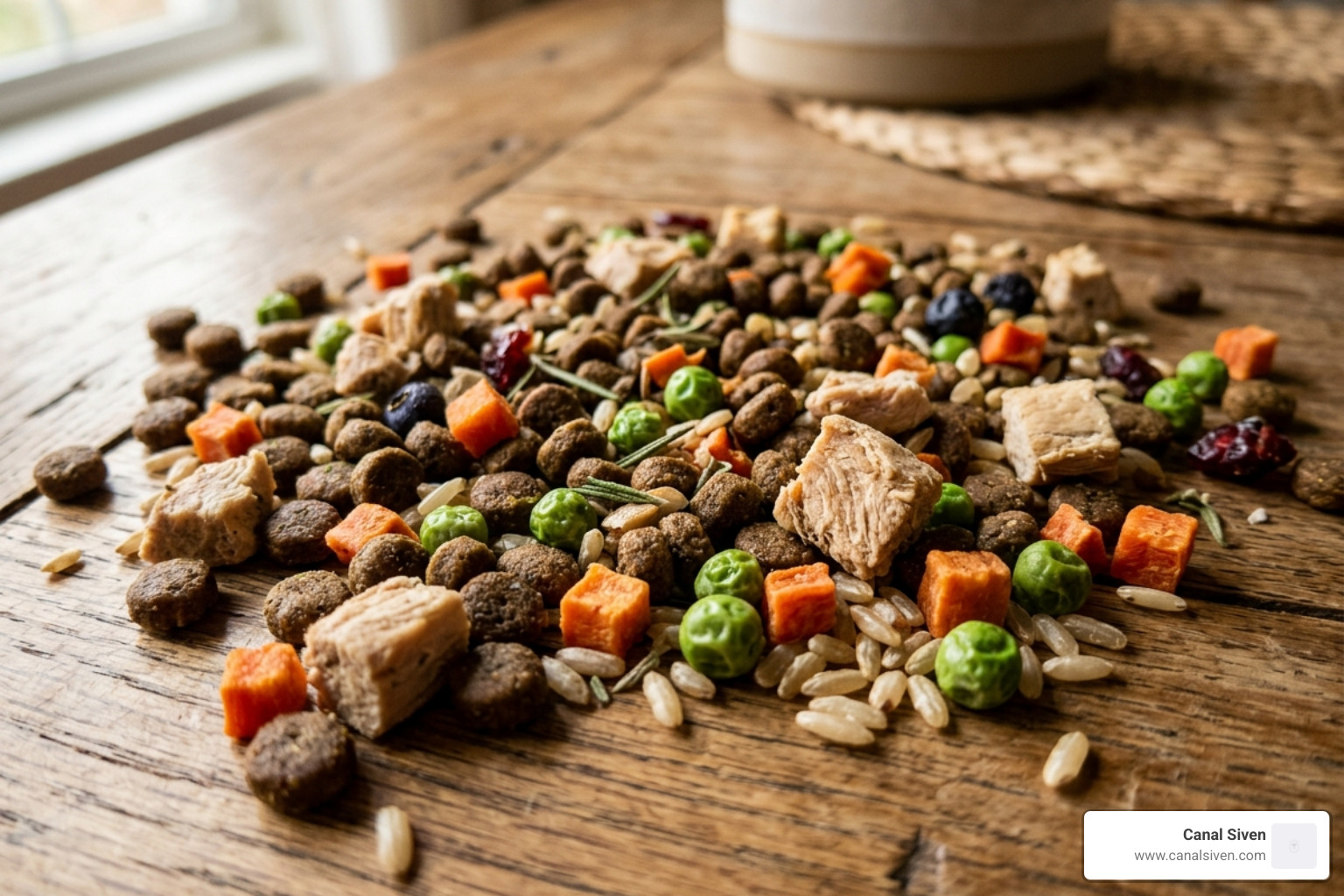
- Real Protein Sources: Look for specific meats like chicken, lamb, or beef as the first ingredient. Avoid generic “meat meal.”
- Natural Carbohydrates: Ingredients like brown rice, barley, or sweet potatoes provide steady energy without the “crash” associated with simple sugars.
- Healthy Fats: Omega-3 and Omega-6 fatty acids are essential for brain health and a vibrant coat.
- Fiber: Small dogs have shorter large intestines, which can lead to constipation. Ingredients like pumpkin or beet pulp help keep things moving.
What to Avoid
We recommend steering clear of fillers that offer little nutritional value. This includes excessive corn, wheat, or soy if your dog has sensitivities. Perhaps most importantly, avoid artificial preservatives, colors, and flavors, which have no place in a premium diet.
| Feature | Dry Food | Wet Food |
|---|---|---|
| Dental Health | Excellent (helps reduce tartar) | Minimal |
| Hydration | Low | High (great for kidney health) |
| Caloric Density | High | Low to Moderate |
| Shelf Life | Long (once opened) | Short (must refrigerate) |
| Palatability | Moderate | High (appeals to picky eaters) |
Top-Rated small dog food Varieties for 2026
The market in 2026 is filled with specialized options that cater to every possible need, from sensitive stomachs to eco-conscious sourcing.

Expert-Recommended and Top-Rated Options
Leading scientific formulas remain industry leaders because of their rigorous approach to “mini” nutrition. High-quality options currently hold top ratings with thousands of positive reviews, making them a favorite for those seeking a balance of taste and health.
For owners looking for high-protein, biologically appropriate diets, certain premium varieties are standouts. These focus on whole-animal ingredients, which mimics a more ancestral diet while maintaining the small kibble size necessary for tiny mouths.
Specialized Solutions
If your furry friend has a sensitive stomach, look for “limited ingredient” diets. These use a handful of easily recognizable ingredients (like chicken and peas) to reduce the chance of an adverse reaction. Furthermore, many brands are now focusing on regenerative farming, ensuring that the protein in your dog’s bowl is sourced sustainably.
Customizing a Homemade small dog food Plan
Some owners prefer the control of a homemade diet. While this can be wonderful, it is incredibly easy to get the balance wrong. A small dog’s margin for error is tiny; a missing mineral can cause health issues much faster in a 5-pound dog than a 50-pound one.
If you choose this path, we suggest:
- Veterinary Nutritionist Oversight: Never “wing it” with a recipe from the internet.
- Recipe Builders: Use professional tools to ensure the macro and micronutrient ratios are correct.
- Human-Grade Supplements: Since it’s hard to get every vitamin from whole foods alone, a high-quality supplement is often necessary to fill the gaps.
Portion Control and Feeding Guidelines for Tiny Breeds
One of the biggest risks facing small dogs today is obesity. In fact, statistics show that up to 60% of small breed dogs are considered overweight or obese. Because they are so small, even a single extra pound is a massive percentage of their body weight.
Preventing “The Spread”
Obesity in small dogs leads to joint pain, heart disease, and diabetes. To keep your pup trim:
- Use a Measuring Cup: Don’t guess. A few extra kibbles every day can lead to weight gain over a month.
- Look for L-carnitine: This amino acid, often found in “weight management” or “small breed” formulas, helps the body metabolize fat into energy.
- Adjust for Activity: A “lap dog” needs fewer calories than a “terrier” who spends all day chasing squirrels.
Always consult the feeding chart on your small dog food bag, but remember it’s a starting point, not a rule. Monitor your dog’s “waistline” and adjust as needed.
Frequently Asked Questions About Small Breed Nutrition
Is dry or wet food better for my small dog?
It depends on your dog’s specific needs! Dry food is superior for dental health and convenience. However, wet food is often more palatable for picky eaters and provides essential hydration, which is great for older dogs or those prone to urinary issues. Many owners find that “topping” dry kibble with a little wet food offers the best of both worlds.
How many calories does a small dog need per pound?
Generally, small dogs need between 40 and 60 calories per pound of body weight, whereas large dogs might only need 20 to 30. This is why small breed formulas are more energy-dense, typically ranging from 3,400 to 3,800 kcal/kg.
What ingredients should I avoid in my dog’s diet?
Avoid “meat by-products” where the source isn’t named. Also, stay away from artificial colors (like Red 40), chemical preservatives (like BHA/BHT), and high-fructose corn syrup. These are often used to make low-quality food look or taste better but offer zero health benefits.
Conclusion
Providing the best nutrition for your small dog is one of the most impactful ways to ensure they live a long, happy life. By focusing on caloric density, appropriate kibble size, and high-quality ingredients, you are making a “smart living” choice that pays off in fewer vet visits and more energetic playtimes.
At Canal Siven, we believe that tailored nutrition is the cornerstone of health. Whether you choose a top-rated commercial kibble or a carefully balanced homemade plan, the goal is the same: a thriving, healthy companion. Explore our tailored pet nutrition solutions to find the perfect match for your pint-sized partner.
