
How to Build a Dog Food Meal Plan That Actually Works
Why a Dog Diet Plan Is the Foundation of Your Dog’s Health
A dog diet plan is one of the most powerful tools you have to keep your dog healthy, energetic, and living longer. And yet, nearly 59% of dogs in the U.S. are overweight or obese — a number that hasn’t budged much in recent years. Overweight dogs live, on average, about two years less than dogs at a healthy weight. That’s a real cost.
Here’s what a balanced dog diet plan includes, at a glance:
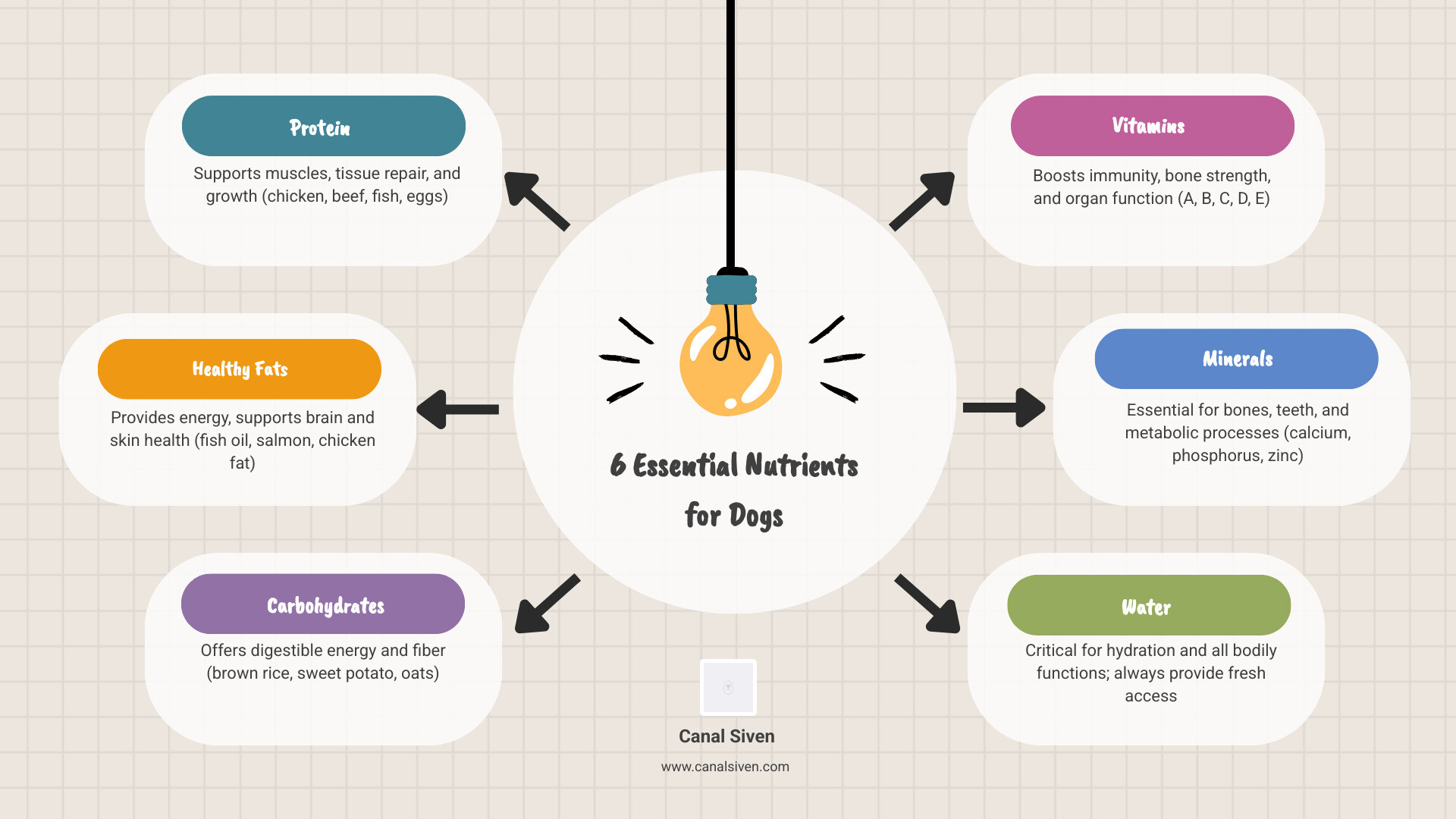
- Protein — the most important macronutrient; supports muscles, tissue repair, and growth (chicken, beef, fish, eggs)
- Healthy fats — fuel energy and support brain and skin health (fish oil, salmon, chicken fat)
- Carbohydrates — provide digestible energy and fiber (brown rice, sweet potato, oats)
- Vitamins and minerals — support immunity, bone strength, and organ function
- Water — fresh, clean water at all times; dehydration becomes dangerous fast
- Correct portions — based on your dog’s weight, age, activity level, and health status
The right plan isn’t the same for every dog. A senior Labrador and an active Border Collie have very different needs. Even two dogs of the same breed can vary by up to 50% in their individual calorie requirements.
The good news? You don’t need to be a veterinary nutritionist to get this right. You just need a clear framework — and that’s exactly what this guide gives you.
Understanding the Core Pillars of a Balanced Dog Diet Plan
When we talk about a dog diet plan, we aren’t just talking about filling a bowl with brown pellets. We are looking at a complex biological puzzle. As of April 2026, our understanding of canine nutrigenomics has grown, but the core pillars remain the same. Dogs are scavengaging omnivores, meaning they thrive on a variety of nutrients from both animal and plant sources.
Essential Amino Acids and Proteins
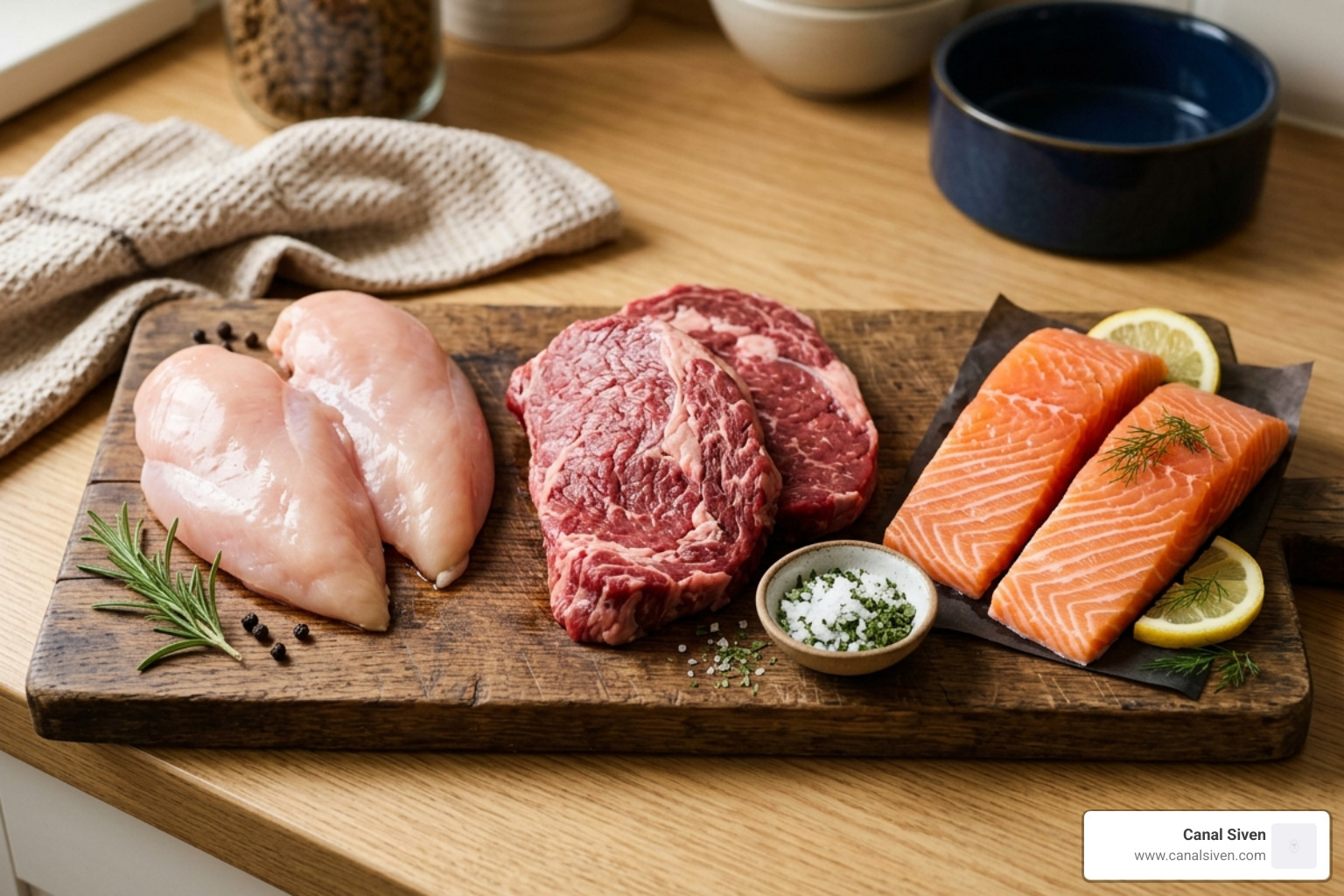
Protein is the building block of life. For our dogs, this means high-quality, named animal proteins like chicken, turkey, lamb, or fish. We want to avoid generic “meat meal” because we need to know exactly what species our dog is consuming to manage potential allergies. Protein should typically make up 18% to 25% of an adult dog’s diet.
Healthy Fats and Omega-3s
Fats aren’t just for flavor; they are the most concentrated source of energy. Omega-3 fatty acids (found in fish oil and flaxseed) are crucial for brain function and reducing inflammation. If your dog has a dull coat or itchy skin, we often look at the fat balance in their dog diet plan first.
Complex Carbohydrates and Fiber
While dogs don’t have a strict “requirement” for carbs in the way they do for protein, complex carbohydrates like sweet potatoes and brown rice provide steady energy and essential fiber. Fiber is the unsung hero of the gut, keeping stools firm and helping your dog feel full—which is vital if we’re managing a weight-loss plan.
Vitamins and Minerals: The Calcium-Phosphorus Ratio
Vitamins A through E support everything from vision to immune response. However, we must be especially careful with minerals. The calcium-phosphorus ratio is critical, especially for growing large-breed puppies. An imbalance here can lead to permanent skeletal deformities. This is why we always recommend following established Dog Nutrition Tips | ASPCA to ensure the foundation is solid.
Calculating Daily Calorie and Portion Requirements
Determining how much to feed is where most of us get it wrong. We often rely on the back of the bag, but those are just “average” guidelines. In reality, your dog’s metabolic rate is as unique as their personality.
To get technical, we start with the Resting Energy Requirement (RER). This is the energy your dog needs just to exist (breathe, digest, keep the heart beating).
- The RER Formula: 70 x (body weight in kg)^0.75
Once we have the RER, we apply Daily Energy Requirement (DER) factors. For example:
- A typical neutered adult dog might need 1.6 x RER.
- An active working dog might need 3.0 x RER.
- A dog on a weight loss journey might only need 1.0 x RER of their target weight.
The Digital Gram Scale vs. The Measuring Cup
If there is one piece of equipment we insist you buy for your dog diet plan, it’s a digital gram scale. Research shows that “eye-balling” a measuring cup can lead to overfeeding by as much as 20%. A few extra kibbles every day might not look like much, but over a year, it’s the difference between a fit dog and an obese one. For more precise scheduling, see this Adult Dog Feeding Guide: Schedules, Nutrition & Best Practices.
Customizing a Dog Diet Plan for Different Life Stages
A dog’s nutritional needs are a moving target.
- Puppies: They need significantly more calories, protein, and DHA (an omega-3 fatty acid) for brain development. We usually feed them 3–4 times a day to support rapid growth.
- Adults: The focus here is maintenance—balancing energy intake with activity to prevent weight gain.
- Seniors: Contrary to popular belief, senior dogs still need high-quality protein to maintain muscle mass. However, they often need fewer calories and added joint support like glucosamine.
- Working & Pregnant Dogs: These “special cases” require nutrient-dense formulas. A working dog might need 40% to 70% more energy than a couch-potato companion.
Using Body Condition Scoring to Fine-Tune Portions
We can’t rely on the scale alone because muscle weighs more than fat. Instead, we use Body Condition Scoring (BCS). Think of it as a “hands-on” health check.
- The Rib Check: You should be able to feel your dog’s ribs easily, like the back of your hand, but they shouldn’t be poking out.
- The Waistline: Looking from above, your dog should have a visible “hourglass” waist.
- The Tummy Tuck: Looking from the side, the belly should slope upward from the ribcage.
If the waist disappears, it’s time to trim the portions in your dog diet plan.
Implementing Your Dog Diet Plan: Schedules and Transitions
Consistency is one of the most underrated factors in canine health. Dogs thrive on routine—it stabilizes their blood sugar and keeps their digestive system predictable.
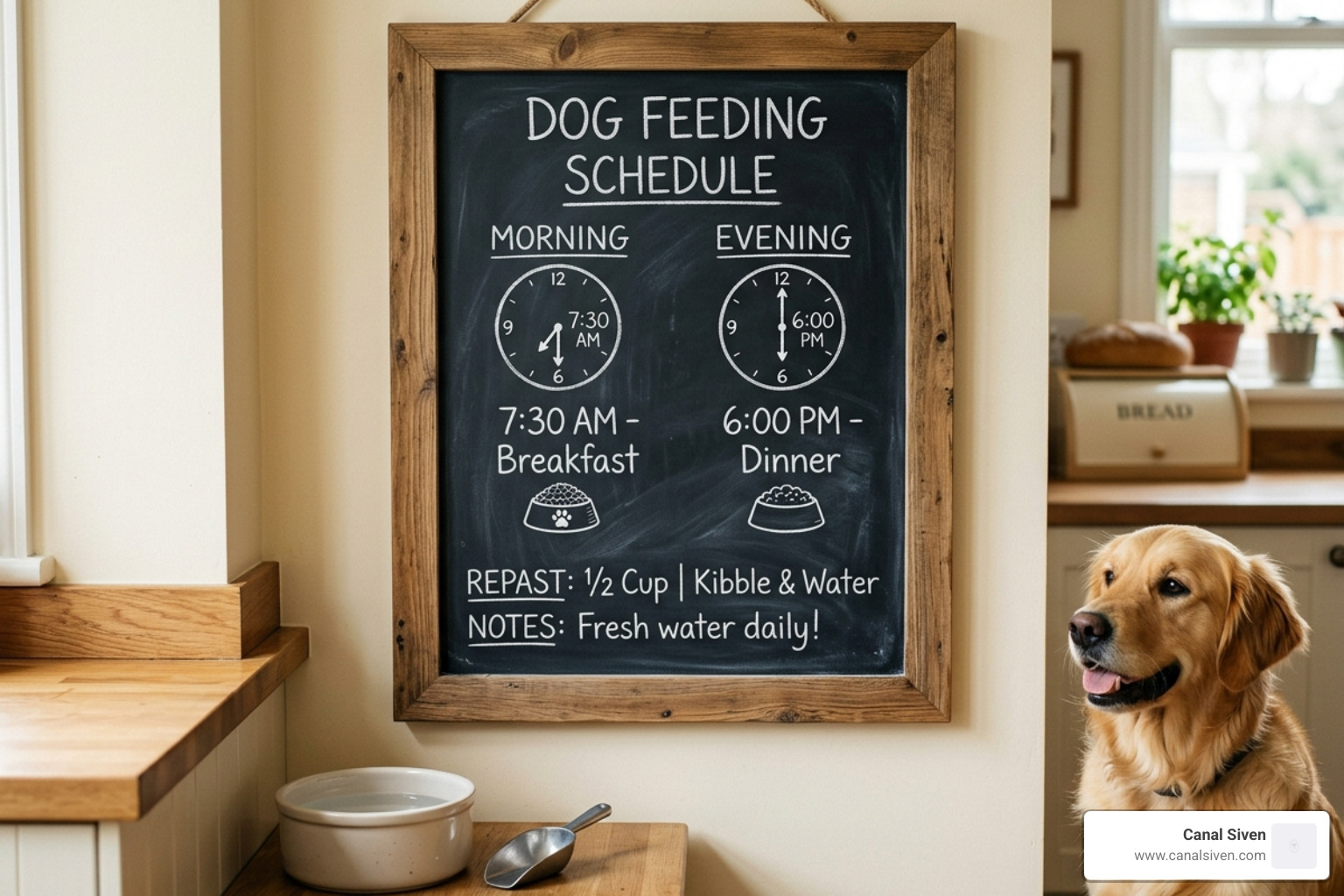
We generally recommend a twice-daily feeding schedule, roughly 8 to 12 hours apart (e.g., 7 AM and 6 PM). This prevents the stomach from being empty for too long, which can lead to “bilious vomiting” (that yellow froth some dogs throw up when they’re too hungry).
The 7-Day Transition Rule
Never swap your dog’s food overnight. Their gut microbiome needs time to adjust to new ingredients. If we rush it, we’re asking for a “poop-pocalypse.”
- Days 1-2: 75% old food, 25% new food.
- Days 3-4: 50% old food, 50% new food.
- Days 5-6: 25% old food, 75% new food.
- Day 7: 100% new food.
If your dog has a sensitive stomach, we often stretch this to a 10- or 14-day transition.
Managing Treats and Human Foods in the Dog Diet Plan
We all love rewarding our pups, but treats can quietly sabotage a dog diet plan. We follow the 10% Rule: treats and toppers should never exceed 10% of your dog’s total daily calorie budget.
The “No-Go” List (Toxic Foods):
- Xylitol: Found in sugar-free gum and some peanut butters; it’s deadly.
- Grapes and Raisins: Can cause acute kidney failure.
- Onions and Garlic: Can damage red blood cells.
- Chocolate and Caffeine: Heart and nervous system stimulants that dogs can’t process.
The “Safe” List (Low-Calorie Rewards):
- Green beans (the ultimate “diet” treat!)
- Carrots
- Blueberries
- Plain, cooked pumpkin (great for digestion)
Reading Labels to Ensure Nutritional Adequacy
Pet food marketing is designed to pull at our heartstrings with pictures of roasted duck and fresh berries. We need to look past the front of the bag.
- The AAFCO Statement: Look for a sentence that says the food is “complete and balanced” for a specific life stage. If it says “intermittent or supplemental feeding only,” it is not a meal—it’s a snack.
- The Ingredient List: Ingredients are listed by weight. We want a named meat (like “Beef”) to be the first ingredient.
- Guaranteed Analysis: This tells us the minimum protein and fat, but remember these are “as fed” percentages. To compare dry food to wet food, you have to convert them to a “dry matter basis.”
Creating a Weight Loss Strategy for Overweight Dogs
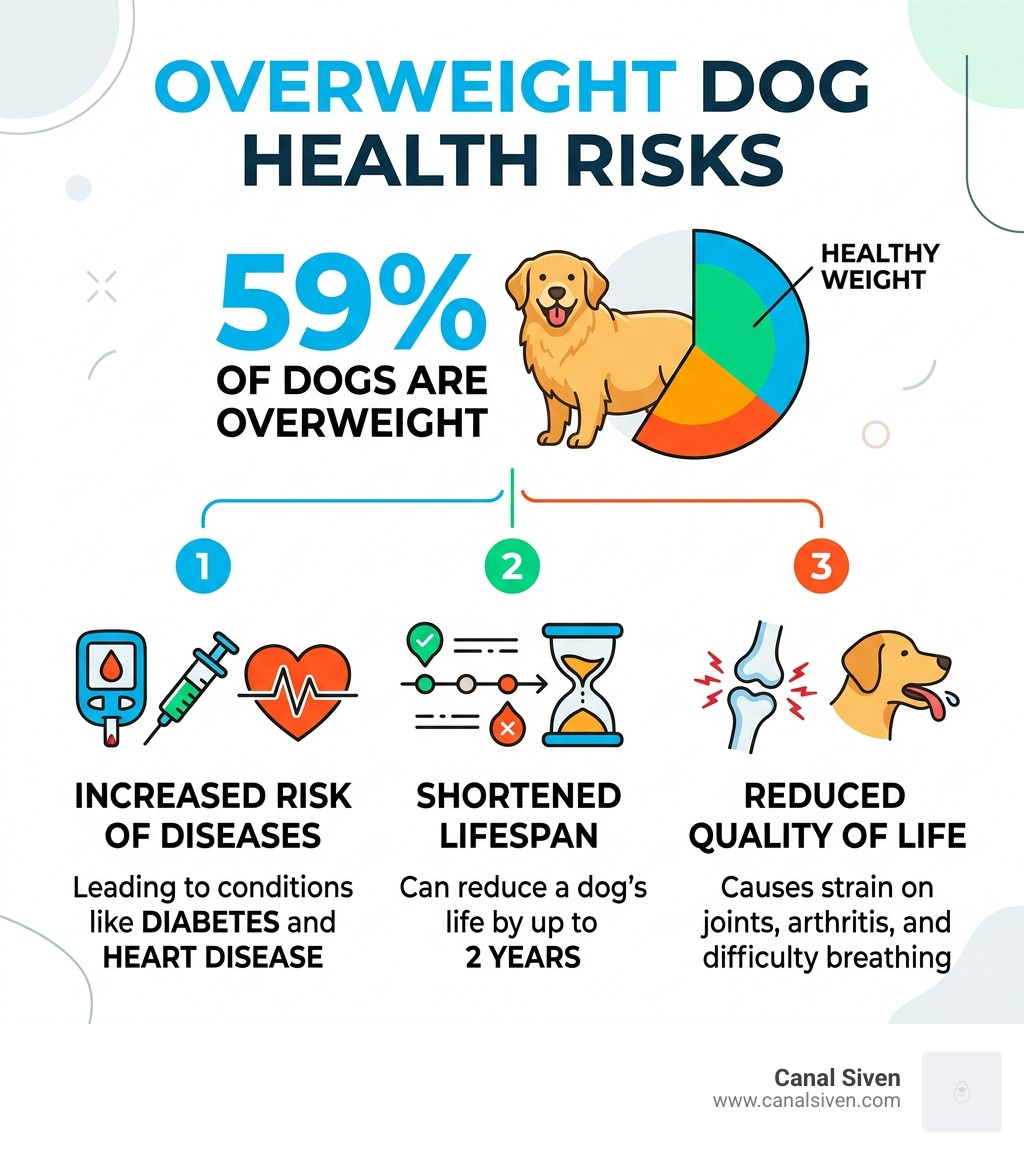
Obesity is the most common preventable disease in dogs. As of 2026, the statistics remain alarming: 59% of our canine companions are carrying too much weight. This isn’t just about aesthetics; it’s about inflammation and joint pain.
If your dog needs to lose weight, our goal is a safe, steady loss of 1% to 5% of their body weight per month.
Maintenance vs. Weight Loss Portions
Simply feeding less of a standard “adult maintenance” kibble can be dangerous. Why? Because when you cut the calories, you also cut the essential vitamins and minerals. For significant weight loss, we often recommend therapeutic weight-loss diets. These are formulated to be “low energy density” but “high nutrient density.” They use increased fiber to keep your dog feeling full (satiety) while providing the protein needed to protect lean muscle.
| Dog Weight (lbs) | Typical Maintenance (Calories) | Weight Loss Target (Calories) |
|---|---|---|
| 10 lbs | 300 | 240 |
| 30 lbs | 750 | 600 |
| 50 lbs | 1,100 | 880 |
| 80 lbs | 1,550 | 1,240 |
Behavioral Strategies to Prevent Overfeeding
Most of us overfeed because our dogs are world-class actors. They “beg” not because they are starving, but because they have trained us to give them attention in the form of food.
- Attention vs. Food: When your dog begs, try a 5-minute grooming session or a game of fetch. Often, they just want your engagement.
- Automatic Feeders: These take the “human” out of the equation. Your dog stops associating you with the food and starts waiting by the machine.
- Slow-Feeder Bowls: If your dog inhales their food in 30 seconds, a slow-feeder or puzzle toy can turn mealtime into a 15-minute mental workout.
- Exercise: A brisk 30-minute walk (aim for a 12–17 minute mile pace) can significantly boost the success of any dog diet plan.
Frequently Asked Questions about Canine Nutrition
How often should I adjust my dog’s meal plan?
We recommend a “check-in” every 2 to 3 weeks. Look at the weight trend and the Body Condition Score. If your dog is gaining weight on a measured plan, it’s likely because their activity decreased or the “hidden” calories (treats) increased. Don’t make daily changes; look for the long-term trend.
Can I mix homemade food with commercial kibble?
Yes, we call this “mixed feeding,” and it’s a great way to add fresh nutrients. However, balance is key. If you are adding more than 10% of the meal as “fresh” food, you must ensure those additions are balanced with the correct minerals. We often see owners add plain chicken breast, which is high in phosphorus but low in calcium—this can cause issues over time.
When is it necessary to consult a veterinary nutritionist?
You should seek professional guidance if your dog has a complex medical condition (like kidney disease or pancreatitis) or if you want to feed a 100% homemade diet. Creating a balanced homemade dog diet plan from scratch is incredibly difficult to do without specific software or supplements.
Conclusion
At Canal Siven, we believe that smart living starts with the choices we make for our families—including our four-legged members. Building a dog diet plan that actually works isn’t about following the latest fad; it’s about evidence-based nutrition, precise measurement, and a deep understanding of your dog’s individual needs.
Whether you are managing a high-energy puppy or helping a senior dog navigate their golden years, consistency is your greatest ally. By monitoring their body condition, measuring their meals by weight, and keeping treats in check, you are providing the foundation for a longer, happier life.
For more tailored pet nutrition solutions and financial insights for a better home life, explore our resources at Canal Siven. Your dog depends on you for their health—let’s make every bowl count.
