
Why your dog needs bee pollen right now
Why Bee Pollen for Dogs Is the Natural Supplement Pet Owners Are Talking About
Bee pollen for dogs is a nutrient-dense natural supplement that may support your dog’s immune system, digestion, skin health, and energy levels — collected by worker bees from flowers and packed with proteins, vitamins, minerals, and antioxidants.
Quick answers:
- What is it? Flower pollen collected by bees, mixed with nectar and saliva into small granules
- Is it safe? Generally yes, for healthy dogs — but introduce slowly and consult your vet first
- Key benefits: Antioxidant support, gut health, liver protection, skin and coat health, immune boost
- Typical dose: Around 1 teaspoon per day for a 50-pound dog — start with one-third of that
- Who should avoid it? Dogs with known pollen allergies, bee sting allergies, or severe skin conditions
Bee products have been used in medicine for centuries. Today, a growing body of research — including studies on chickens and rats — is pointing to real, measurable benefits when bee pollen is added to an animal’s diet. Think better gut flora, improved growth markers, and reduced inflammation.
But not all bee pollen products are created equal. Quality varies a lot depending on where the pollen was collected, how it was processed, and how it was stored.
This guide cuts through the noise. Below, you’ll find what the science actually says, what to look for in a supplement, and how to introduce it safely to your dog’s routine.
The Nutritional Powerhouse: What is Bee Pollen for Dogs?
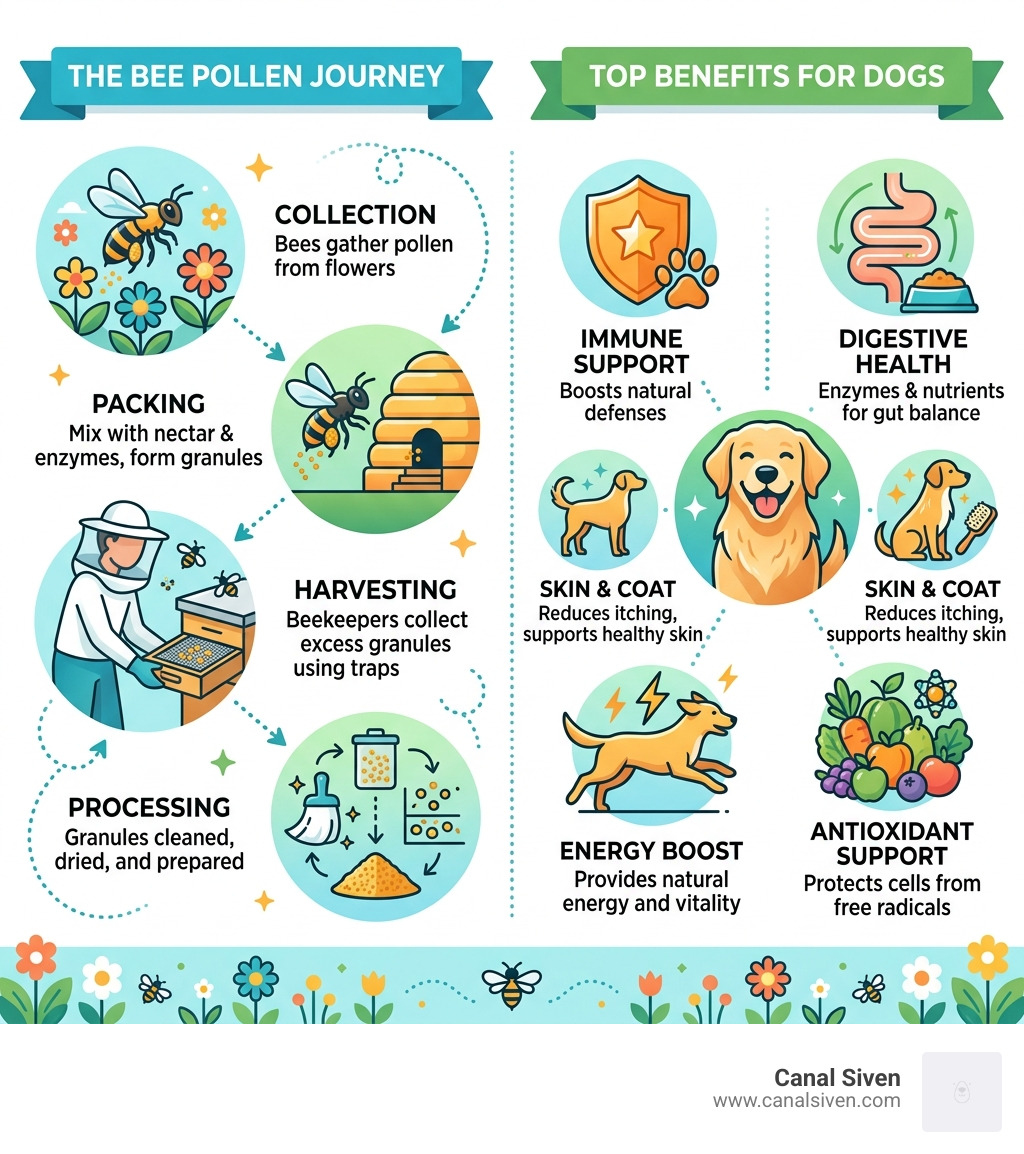
At Canal Siven, we often refer to bee pollen as “nature’s multivitamin.” But what exactly is it? It isn’t just dust from a flower. When worker bees forage, they collect microscopic pollen grains, mix them with a small amount of nectar and their own salivary enzymes, and pack them into golden granules on their hind legs. This substance, often called “bee bread” or “ambrosia,” serves as the primary protein source for the entire hive.
For our canine companions, bee pollen for dogs offers a level of nutritional density that is hard to match with synthetic supplements. It contains over 250 biologically active substances. One of the most fascinating aspects is its bioavailability. Because the bees have already begun “predigesting” the pollen with enzymes, many of the nutrients are more easily absorbed by your dog’s digestive tract.
A standout component is Quercetin, a natural plant pigment (flavonoid) that acts as a potent antihistamine. This is why many pet parents turn to bee pollen during high-pollen seasons. Furthermore, it contains trans-cinnamic acid, which acts as a natural antibiotic, and rutin, a bioflavonoid that supports cardiovascular health and strengthens capillaries.
Comparing the “Buzz”: Bee Pollen vs. Honey
While both come from the hive, their nutritional profiles are vastly different.
| Nutrient | Bee Pollen | Raw Honey |
|---|---|---|
| Protein | High (approx. 22-35%) | Trace amounts |
| Carbohydrates | Moderate (approx. 30-50%) | High (approx. 80%+) |
| Amino Acids | Full spectrum (all essentials) | Minimal |
| Enzymes | Extremely high | Moderate |
| Vitamins | B-Complex, C, A, E, D | Small amounts of C, B |
Essential Nutrients in Bee Pollen for Dogs
As of April 2026, nutritional standards for pet health emphasize the importance of whole-food sources over isolated chemicals. Bee pollen fits this 2026 wellness trend perfectly.
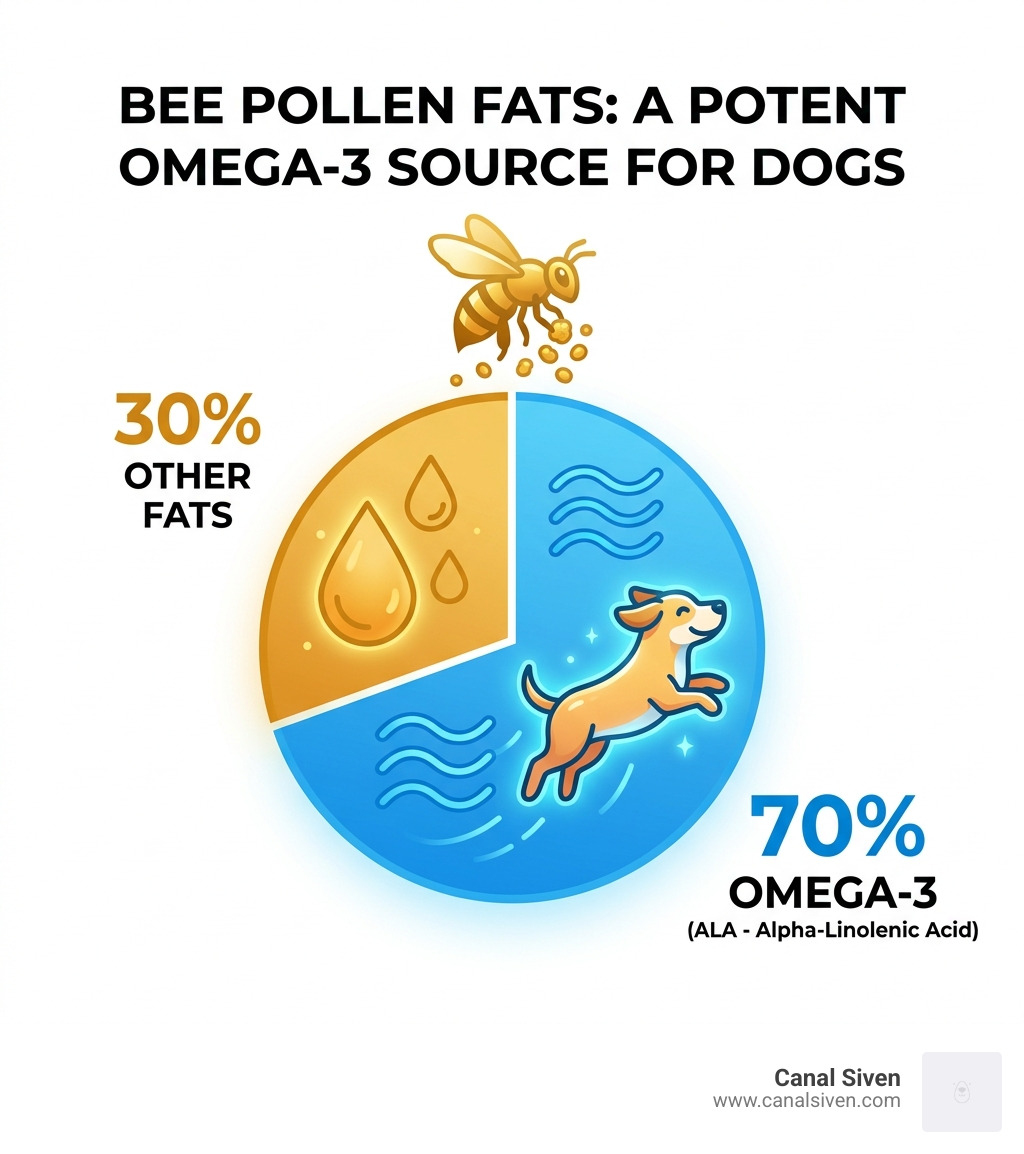
- Omega Fatty Acids: Bee pollen is surprisingly rich in fats. It contains approximately 70% Omega-3 fatty acids (Alpha-linolenic acid) and 5% Omega-6. These are crucial for maintaining a shiny coat and reducing systemic inflammation.
- Vitamin B Complex: Vital for energy metabolism and a healthy nervous system.
- Vitamins A, C, D, and E: This “antioxidant squad” helps neutralize free radicals, which is essential for aging dogs or those recovering from illness.
- Amino Acids: Gram for gram, bee pollen contains more amino acids than beef, eggs, or cheese. This supports muscle condition and tissue repair.
Science-Backed Benefits: From Gut Health to Inflammation
While we are still waiting for massive, long-term clinical trials specifically on dogs, the field of apitherapy (the medicinal use of honey bee products) has provided us with compelling evidence through other animal models.
A scientific research on apitherapy in veterinary medicine highlights that bee products are far more than just “folk medicine.” They are functional foods that can alter biological processes for the better.
Gut Health and Growth
In studies involving chickens, bee pollen was shown to significantly improve intestinal microflora. It acts as a prebiotic, encouraging the growth of “good” bacteria like Lactobacillus. For dogs with sensitive stomachs or those who have recently finished a course of antibiotics, bee pollen may help restore balance to the gut. Furthermore, the growth-stimulating effects observed in avian studies suggest that bee pollen can help young animals develop robust muscular and skeletal systems.
Inflammation and Prostate Health
Research in rats has shown that bee pollen can be particularly effective for male health. Studies indicate potential benefits for conditions like benign prostatic hyperplasia (an enlarged prostate), as the pollen helps reduce inflammation in the glandular tissue. If you have an intact male dog, this April 2026 research update suggests bee pollen might be a useful preventative supplement.
Hepatoprotective (Liver-Protecting) Effects
The liver is the body’s primary detoxifier. Bee pollen has been observed to have hepatoprotective properties, meaning it helps shield liver cells from damage and assists in the healing of the liver after exposure to toxins. This makes it an excellent consideration for dogs on long-term medications that may stress the liver.
Product Roundup: Selecting High-Quality Supplements
Not all yellow granules are created equal. When shopping for bee pollen for dogs, you need to be a bit of a detective.

1. The Form Matters: Granules vs. Powder
- Granules: These are the least processed form. They retain the most enzymes and vitamins. Most dogs enjoy the “crunch,” but if you have a picky eater, you may need to grind them.
- Powder: Often more convenient for mixing into kibble or wet food. However, ensure the powder hasn’t been “heat-treated,” as high temperatures destroy the delicate live enzymes.
- Capsules: Generally less ideal for dogs as they often contain fillers and prevent the dog from tasting the supplement, which is part of the digestive signaling process.
2. Sourcing: The “Desert” Standard
The highest quality bee pollen is often cited as being desert-sourced. Why? Because desert regions typically have fewer industrial farms, meaning the bees are less likely to encounter pesticides or heavy metals. Look for products that boast toxin-free certification.
3. Sustainable and Ethical Harvesting
At Canal Siven, we believe in “smart living” for all creatures. Ensure your supplement comes from apiaries that use sustainable harvesting methods. Ethical beekeepers use special “traps” at the hive entrance that only collect a small portion of the pollen, ensuring the bees still have plenty of food for their larvae.
4. Raw and Local
Raw bee pollen hasn’t been pasteurized. This is critical. If you are using it specifically for seasonal comfort, some experts suggest locally-sourced pollen from wildflowers (like those in the Pacific Northwest) might help desensitize the dog to local allergens, though this is still a topic of debate in the veterinary community.
Safety First: Risks, Dosage, and FAQs
Before you start sprinkling gold on your dog’s dinner, we must talk about safety. While bee pollen is a “superfood,” it is also a potent allergen for some.
The Risks: Allergies and Contamination
- Anaphylaxis: Just like humans, some dogs are deathly allergic to bee products. If your dog has ever had a severe reaction to a bee sting, do not give them bee pollen without strict veterinary supervision.
- Spoilage: Bee pollen is high in moisture and protein, making it a breeding ground for mold if not stored correctly. It should always be kept in a cool, dry place, and many experts recommend keeping it in the freezer to maintain bioavailability.
- Heavy Metals: Because bees forage over large areas, they can pick up environmental pollutants. Only buy from reputable brands that perform third-party testing for lead, arsenic, and pesticides.
How to Safely Introduce Bee Pollen for Dogs
We cannot stress this enough: Start small.
- The “Granule Test”: On day one, give your dog just two or three individual granules. Observe them for 24 hours. Look for any signs of itching, swelling, or respiratory distress.
- The 1/3 Rule: If the test goes well, start with 1/3 of the recommended daily dose.
- The Slow Climb: Gradually increase the amount over 7 to 10 days until you reach the full dosage.
Weight-Based Dosage Guidelines:
- Small Dogs (up to 10kg): 1/8 to 1/4 teaspoon daily.
- Medium Dogs (10-25kg): 1/4 to 1/2 teaspoon daily.
- Large Dogs (25-50kg): 1/2 to 1 teaspoon daily.
- Giant Dogs (50kg+): 1 to 2 teaspoons daily.
Frequently Asked Questions
Can bee pollen help with my dog’s seasonal allergies? It might! Bee pollen contains Quercetin, which helps stabilize mast cells that release histamine. While it isn’t a “cure” for a dog with a severe skin disease, many owners report a significant reduction in paw licking and scratching during the spring and fall.
Is bee pollen safe for dogs with pre-existing liver conditions? Actually, bee pollen is often used to support the liver. However, if your dog has advanced liver failure, their ability to process proteins and certain minerals is compromised. Always check with your vet first in these cases.
How should I store bee pollen to maintain its nutritional integrity? Light, heat, and air are the enemies of bee pollen. Store it in an airtight container. For maximum shelf life (up to a year), keep it in the freezer. For daily use, the refrigerator is fine, but try to avoid leaving it on a sunny countertop.
Conclusion
Incorporating bee pollen for dogs into your pet’s routine is a wonderful way to embrace holistic wellness. From the protein-rich amino acids to the gut-friendly enzymes, this ancient remedy is proving its worth in the modern world of 2026.
However, supplements are just one piece of the puzzle. At Canal Siven, we specialize in tailored pet nutrition solutions. Whether you are looking for the best commercial kibble or want to dive into homemade meals, we are here to provide the financial and nutritional insights you need for a healthier life together.
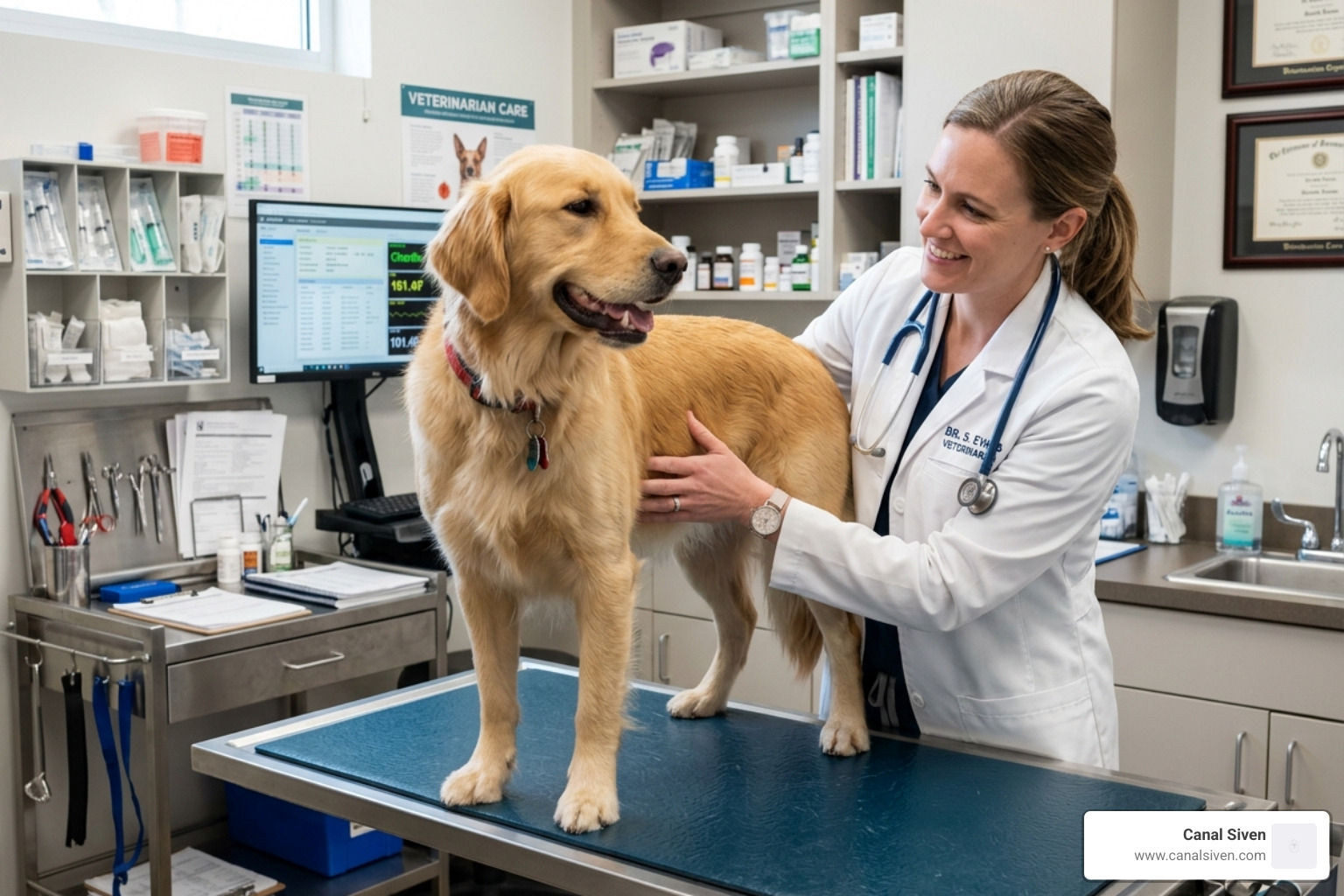
Every dog is an individual. What works for a neighbor’s Labrador might not be right for your Frenchie. Always consult with a licensed veterinarian before making significant changes to your dog’s diet, especially if they are on anticoagulants or are pregnant.
For more expert advice on optimizing your pet’s diet and lifestyle, More info about pet nutrition services. Let’s make 2026 the healthiest year yet for our furry friends!
