
The Epilepsy Cookbook: Best Homemade Food for Dogs with Seizures
When Your Dog Has Seizures, What You Feed Them Matters
The best homemade food for dogs with seizures is built around anti-inflammatory, brain-supportive ingredients — here’s a quick overview:
| Key Element | What to Include | What to Avoid |
|---|---|---|
| Protein | Chicken, turkey, salmon | Turkey in excess (high glutamate) |
| Healthy fats | Coconut oil (MCT), fish oil | Safflower oil, corn oil |
| Carbohydrates | Sweet potato, brown rice | Grains (oats, wheat, barley), soy |
| Vegetables | Broccoli, carrots, leafy greens | Onions, garlic |
| Supplements | Omega-3s, magnesium, B vitamins | Rosemary or sage extracts |
| Avoid entirely | – | Xylitol, chocolate, caffeine, dairy |
Watching your dog have a seizure is one of the most frightening experiences a pet owner can face. The shaking, the confusion, the helplessness — it’s overwhelming.
You’ve probably already visited the vet. Maybe your dog is on medication. But you’re still wondering: is there something more I can do?
The answer, for many dog owners, has been diet.
One dog owner shared that their dog went from nearly one seizure every day to just one every four to five weeks — simply by switching to a carefully prepared homemade diet. That kind of result isn’t guaranteed, but it shows how powerful the right food can be.
Diet doesn’t replace medication. But it can work alongside it to reduce inflammation, support brain function, and help keep seizures under control.
This guide gives you everything you need — the science, the recipes, the ingredients to avoid, and a safe transition plan — to start cooking for your dog with confidence.
Understanding Canine Seizures and the Role of Nutrition
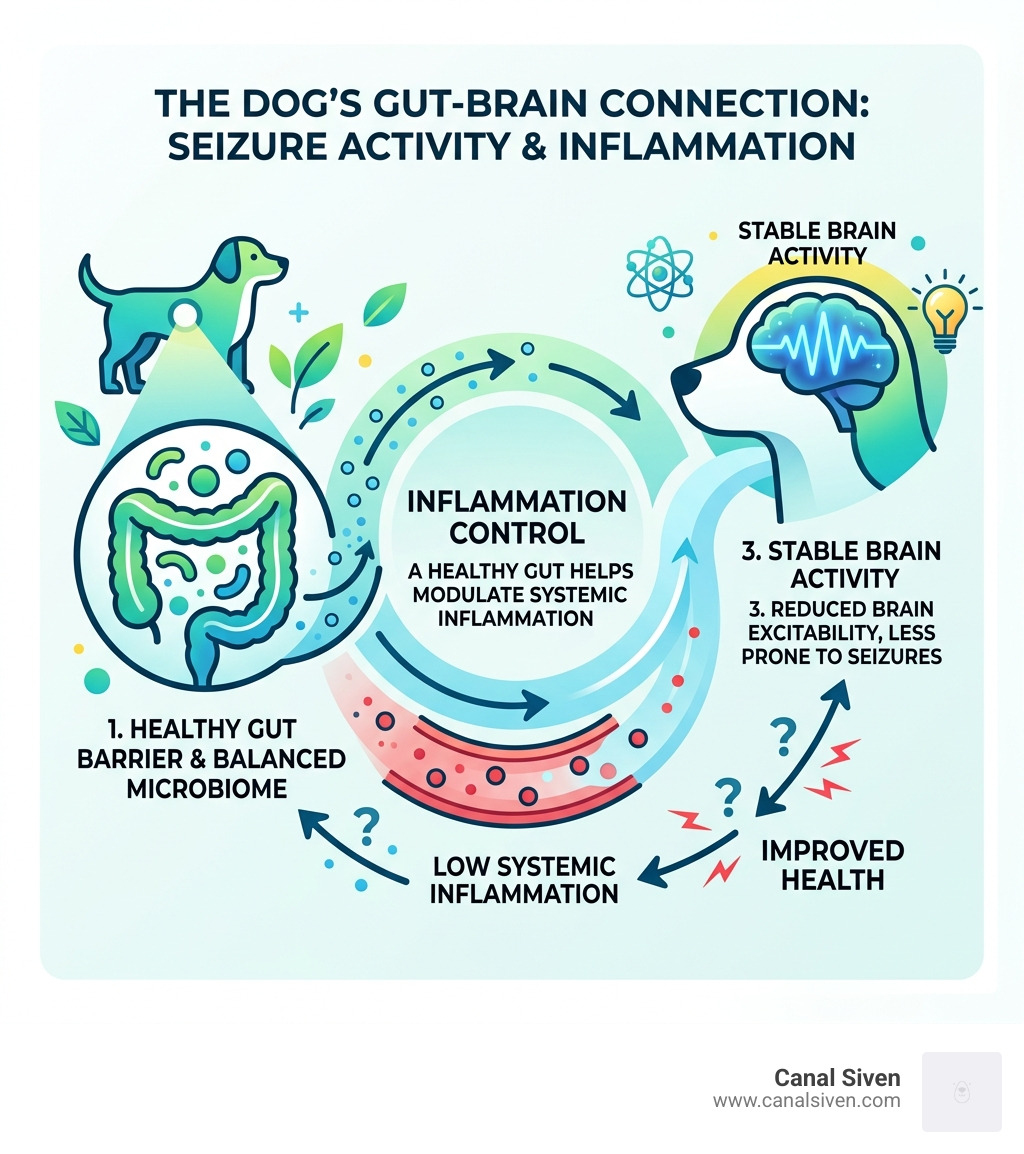
To understand why the best homemade food for dogs with seizures works, we have to look at what is happening inside the brain. A seizure is essentially an “electrical storm” — a sudden, abnormal burst of electrical activity. While “idiopathic epilepsy” is the most common diagnosis (meaning the cause is unknown), we know that the brain’s environment heavily influences how often these storms occur.
As of April 2026, veterinary research increasingly points toward two major dietary factors: inflammation and glucose metabolism.
The Energy Crisis in the Brain
Many dogs with epilepsy suffer from what researchers call “impaired glucose metabolism.” Essentially, their brain cells aren’t very good at using sugar (glucose) for energy. When the brain runs out of fuel, it becomes unstable, making a seizure more likely. This is where ketogenic principles come in. By providing fats—specifically Medium Chain Triglycerides (MCTs)—we give the brain an alternative, more stable fuel source called ketones.
Inflammation and Excitotoxicity
In Traditional Chinese Medicine (TCM), seizures are often linked to “internal wind” and liver imbalances, frequently fueled by inflammation. Modern science agrees that systemic inflammation lowers the “seizure threshold.” Furthermore, certain foods can lead to “excitotoxicity,” where nerve cells are overstimulated until they are damaged or fire uncontrollably.
By focusing on blood sugar stability and reducing inflammatory “triggers,” we can create a calmer internal environment for our dogs. Scientific research on MCT oil and canine epilepsy has shown that supplementing with these specific fats can significantly reduce seizure frequency and even improve cognitive function in epileptic dogs.
Key Nutrients in the Best Homemade Food for Dogs with Seizures
When we formulate a diet for a seizure-prone dog, we aren’t just looking for “fillers.” We are looking for medicinal nutrients. Here are the heavy hitters you should include:
- MCT Oil (Coconut Oil): This is perhaps the most critical addition. MCTs bypass the usual digestive process and go straight to the liver to be converted into ketones. Pure coconut oil is excellent, but ensure it doesn’t contain safflower oil, which has been known to increase seizure activity in some sensitive dogs.
- Omega-3 Fatty Acids: Found in high concentrations in fresh salmon and fish oil, these reduce brain inflammation. A common recommendation is 1,000–2,000 mg per day for a medium-to-large dog.
- Magnesium: Often called “nature’s relaxant,” magnesium helps regulate nerve signaling. A deficiency can make a dog much more susceptible to “electrical storms.”
- B Vitamins (B1, B6, B12): These are essential for a healthy nervous system. B6, in particular, helps the body produce GABA, a neurotransmitter that calms the brain.
- L-Taurine and L-Tyrosine: These amino acids support neurological health and can help stabilize cell membranes in the brain.
- Antioxidants: Ingredients like blueberries or green tea extract (caffeine-free!) help fight oxidative stress in brain tissue.
- Gelatin: Sourced from grass-fed animals, gelatin contains glycine, which has been shown to have a calming effect on the brain.
At Canal Siven, we believe that every dog is an individual. While these nutrients are generally beneficial, the ratios matter. Scientific research on ketogenic diet ratios for dogs suggests that a diet consisting of roughly 47-57% fat, 28-38% protein, and less than 15% carbohydrates can be highly effective. For more personalized advice, you can explore More info about pet nutrition services to find a plan that fits your dog’s specific breed and weight.
Ingredients to Avoid: Common Seizure Triggers
Knowing what not to put in the bowl is just as important as the recipes themselves. Many commercial dog foods are packed with “excitotoxins” — substances that overstimulate the brain.
The Glutamate Problem
Glutamate is an excitatory neurotransmitter. In a healthy brain, it’s balanced by GABA (the “brake” pedal). In an epileptic brain, too much glutamate is like a stuck “gas pedal.” You should avoid or limit foods naturally high in glutamate:
| High-Glutamate (Avoid/Limit) | Low-Glutamate (Better Options) |
|---|---|
| Grains (Wheat, Barley, Oats) | Sweet Potatoes |
| Soy and Corn | Carrots and Broccoli |
| Dairy (Casein is 20% glutamate) | Zucchini |
| Peanuts and Lentils | Lean Beef or Chicken |
| Rabbit and Turkey (in excess) | Whitefish or Salmon |
Hidden Chemical Triggers
- Rosemary and Sage Extracts: Often used as “natural preservatives” in high-end kibble, these are known neurostimulants and can trigger seizures in sensitive dogs.
- Artificial Preservatives: BHA, BHT, and Ethoxyquin are chemical additives that have no place in a seizure-management diet.
- Xylitol: This common sugar substitute is deadly to dogs and can cause massive seizures and liver failure.
- High Sodium: Rapid shifts in salt levels can cause brain swelling and trigger “cluster seizures.”
Balanced Recipes and Feeding Guidelines
Cooking for your dog doesn’t have to be “rocket science,” but it does require consistency.
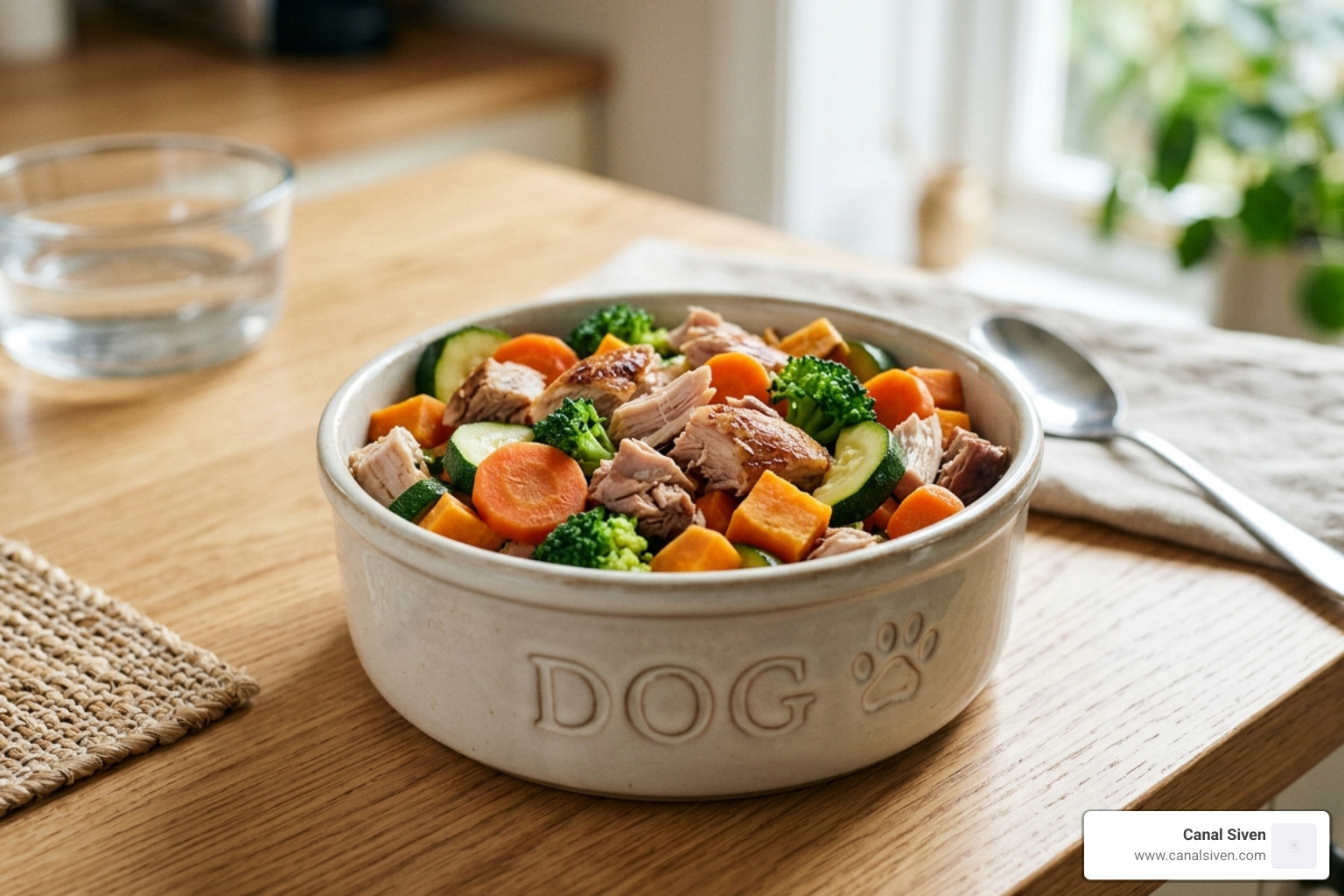
Balanced Recipes for the Best Homemade Food for Dogs with Seizures
Here are two foundational recipes designed to be low-carb and high-fat.
Recipe 1: The Omega-3 Salmon & Sweet Potato Mix
This recipe focuses on cooling inflammation and providing high-quality fats.
- Ingredients:
- 2 lbs Fresh Salmon (skin on is fine, but check for bones)
- 1 lb Ground Beef (80/20 fat content)
- 1 cup Pureed Sweet Potato (cooked)
- 2 cups Chopped Spinach or Kale
- 4 tbsp Coconut Oil (MCT source)
- 2 tbsp Chia Seeds (soak in water for 15 mins first)
- Preparation:
- Lightly poach the salmon and brown the beef. Do not overcook; we want to preserve the nutrients.
- Steam the spinach and sweet potato until soft.
- Mix all ingredients in a large bowl, folding in the coconut oil and chia seeds last.
- Portion into glass containers.
Recipe 2: Brain-Boosting Turkey & Veggie Bowl
- Ingredients:
- 3 lbs Ground Turkey
- 1/2 lb Chicken Liver or Hearts (Organ meats are nutrient-dense)
- 2 cups Broccoli and Carrots (blanched and pureed)
- 5 tbsp Coconut Oil
- 1 tsp Magnesium Citrate supplement (powdered)
- Preparation:
- Cook the turkey and organ meats thoroughly.
- Puree the vegetables (this makes them much easier for the dog to digest).
- Combine everything in a large pot.
- Store in the fridge for up to 3 days or freeze for up to 2 months.
Feeding Guidelines for the Best Homemade Food for Dogs with Seizures
How you feed is just as important as what you feed. For dogs with epilepsy, blood sugar stability is paramount.
- Meal Frequency: Instead of one large meal, feed 3 or 4 smaller meals throughout the day. This prevents “sugar crashes” (hypoglycemia) which are a common seizure trigger.
- Portion Control: Obesity increases inflammation. Use a kitchen scale to ensure your dog stays at an ideal weight. Generally, a dog needs about 2-3% of their body weight in fresh food daily, but this varies.
- Temperature: Some owners find success warming the food slightly (about 17 seconds in the microwave) to make it more palatable and easier on the digestive system.
- Consistency: Try to feed at the exact same times every day. The brain thrives on routine.
Safely Transitioning and Monitoring Progress

You should never switch your dog’s diet overnight. A sudden change can cause digestive upset, which creates stress — and stress is a major seizure trigger.
The 10-Day Transition Plan
- Days 1-3: 25% homemade food, 75% old food.
- Days 4-6: 50% homemade food, 50% old food.
- Days 7-9: 75% homemade food, 25% old food.
- Day 10: 100% best homemade food for dogs with seizures.
Monitoring and Safety
The most important tool you have is a Seizure Diary. Record the date, time, duration, and what the dog ate in the 24 hours prior. Note any “auras” (strange behaviors like staring into space or hiding) before the event.
Risks to Watch For:
- Nutritional Imbalance: If you aren’t using a complete supplement mix, your dog might miss out on calcium or zinc over the long term. Always consult a vet or a nutritionist at Canal Siven to ensure your recipe is “complete and balanced.”
- Bloodwork: Regular vet visits are essential to monitor liver enzymes (especially if your dog is on Phenobarbital) and to ensure their kidneys are handling the protein levels well.
Complementary Supplements
- CBD Oil: Many owners use non-psychoactive CBD oil (<0.3% THC) to help calm the neurological system.
- Turmeric: A powerful natural anti-inflammatory. Mix it with a bit of black pepper and fat (like the coconut oil in your recipes) to help absorption.
Frequently Asked Questions about Seizure Diets
Is a ketogenic diet safe for all dogs with seizures?
While many dogs thrive on a ketogenic or low-carb approach, it’s not for everyone. Dogs with a history of pancreatitis or certain liver issues may struggle with high fat levels. Always work with your vet to find the right fat-to-protein ratio. For most, the “Wood Diet” approach — 17.5% protein, 6% fat, and 10% carbs — is a safe, moderate starting point.
Can I stop my dog’s medication if the diet works?
Never stop or reduce seizure medication without your vet’s direct supervision. Diet is a supportive tool, not a replacement for pharmaceutical intervention. If you see a dramatic reduction in seizures, your vet may choose to slowly taper the dosage, but doing this yourself can lead to dangerous “status epilepticus” (continuous seizures).
What are the best vegetables for seizure-prone dogs?
Focus on low-glycemic, “cooling” vegetables. Broccoli, carrots, Chinese eggplant, and spinach are excellent. Avoid starchy vegetables like white potatoes or corn, as these cause blood sugar spikes. Pureeing or finely chopping the vegetables is highly recommended to help your dog absorb the nutrients.
Conclusion
At Canal Siven, we know that managing a dog with epilepsy is a journey of love and dedication. While we cannot control every electrical impulse in our dog’s brain, we can control what goes into their bowl. By choosing the best homemade food for dogs with seizures — rich in MCTs, Omega-3s, and fresh, whole ingredients — you are giving your furry companion the best possible chance at a calm, happy life.
You don’t have to do this alone. For tailored nutrition solutions and more resources on April 2026 pet care standards, visit More info about homemade pet food solutions. Your dog’s health is our priority, and a better life starts with a better meal.
